
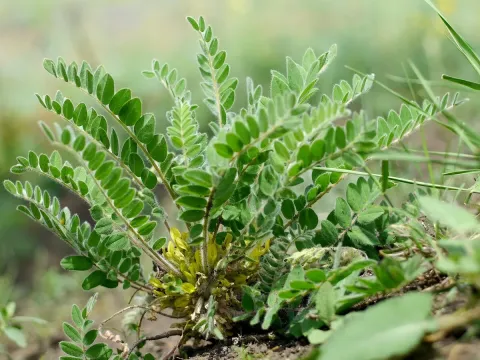
Astragalus pubiflorus
Astragalus pubiflorus
Astragalus pubiflorus is a perennial herb belonging to the Fabaceae family, known for its significant potential as a fodder crop. It is characterized by its deep taproot system, which contributes to the plant's remarkable drought tolerance and soil stability capabilities.
What the section contains
Astragalus pubiflorus
The crop thrives in temperate climates and is well-adapted to environments where other forage plants might struggle. It is highly valued for its ability to fix atmospheric nitrogen, which improves soil fertility in sustainable crop rotation systems.
Regarding soil conditions, this plant prefers well-drained, porous soils. It is particularly successful on loamy or sandy soils, where its roots can penetrate deeply to access moisture during the summer months.
Cultivation requires careful site selection, prioritizing areas with full sun exposure. While it is hardy, young seedlings require protection from excessive weed competition to establish themselves properly during the first year of growth.
The nutritional profile of Astragalus pubiflorus makes it an excellent candidate for pasture improvement. It offers a steady supply of high-protein forage that is highly palatable for livestock throughout the grazing season.
Fungal pathogens represent the primary biological threat to the crop, especially in areas with high humidity or poor soil drainage. Root rot and foliar blights are the most frequently observed issues in dense stands.
Insect pests such as weevils can cause significant damage by feeding on both the leaves and the developing seeds. Proactive monitoring during the flowering stage is essential to detect early infestations before they cause economic loss.
Cultural control methods, such as proper mowing timing and adequate spacing between rows, help minimize the microclimatic conditions favorable to disease development. Maintaining plant vigor through optimal nutrition is also key.
Integrated Pest Management (IPM) strategies are recommended to keep pest populations below the economic injury level. This includes biological controls and selective use of safe pesticides when strictly necessary.
Crop rotation remains the most effective long-term strategy for disease prevention. By alternating with non-leguminous crops, farmers can disrupt the life cycles of specific pathogens that affect this plant species.