
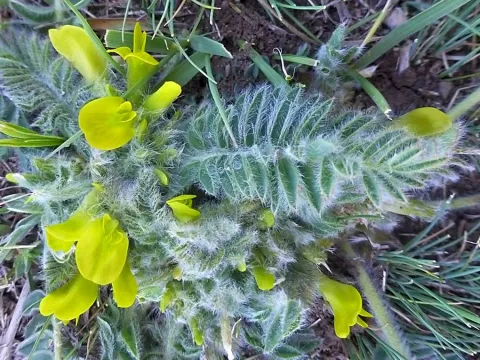
Astragalus pinetorum
Astragalus pinetorum
Astragalus pinetorum is a perennial herbaceous plant classified under the family Fabaceae. This species is primarily found in mountainous regions, exhibiting specific adaptations to light, rocky soils and arid environments.
What the section contains
Astragalus pinetorum
The plant thrives in well-drained soil environments and demonstrates significant drought tolerance, which is essential for survival in its native range. It prefers full sun exposure to ensure proper flowering and seed set, making it unsuitable for shaded agricultural areas.
Regarding soil, the species requires substrates with good aeration. Its symbiotic relationship with rhizobia bacteria allows it to flourish in nitrogen-poor soils, contributing to soil health and fertility enhancement in agricultural landscapes.
Its botanical structure includes compound leaves and deep taproot systems, which provide stability against soil erosion. This structural adaptation makes the plant valuable for land reclamation projects in degraded habitats.
In terms of agricultural application, it serves as a high-quality forage crop. The biomass of this legume is valued for its nutritional profile, particularly in regions where other forage crops struggle to establish due to harsh climatic conditions.
The main pathological threats to this plant include fungal leaf spots and mildew, which typically appear during periods of high humidity. Proper field management, such as maintaining optimal plant density, is crucial for disease prevention.
Insect pests, specifically those targeting the legume family, can significantly affect yield during the reproductive phase. Integrated pest management strategies are advised to protect the flowering parts from extensive herbivory.
Root system health is paramount; therefore, waterlogging is a major threat that leads to rapid decay. Ensuring proper drainage is the most effective preventative measure against soil-borne pathogens.
Weed infestation is particularly detrimental during the first year of growth when the plant establishes its root system. Mechanical control methods or localized weeding should be applied to minimize competition for resources.
Genetic diversity within the field is essential to maintaining resistance against emerging pests. Regular rotation and seed sourcing from verified cultivars help in minimizing risks associated with localized disease outbreaks.