
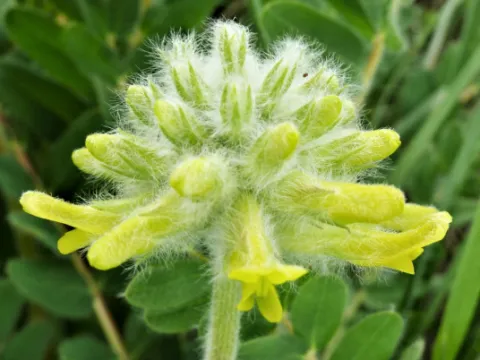
Astragalus lanatus
Astragalus lanatus
Astragalus lanatus is a perennial herbaceous plant belonging to the Legume (Fabaceae) family. It is characterized by a strong taproot system and distinctive woolly stems, which contribute to its high resilience under adverse environmental conditions.
What the section contains
Astragalus lanatus
The sowing period occurs in early spring as soon as the soil warms up to 8–10 degrees Celsius. It is essential to perform sowing within a tight timeframe to effectively utilize winter moisture reserves, as the seeds require good soil contact for uniform germination.
To ensure a high germination rate, it is recommended to scarify the seeds before sowing, which significantly accelerates the breaking of seed dormancy. The optimal planting depth is 2–3 centimeters in heavy soils and up to 4 centimeters in lighter sandy-loam substrates.
The crop is successfully cultivated in steppe and forest-steppe zones, where climatic conditions allow it to reach its full productive potential. The plant is native to Eurasia, where it has adapted to environments with frequent periods of water deficiency.
The economic utilization of Astragalus lanatus is focused on two main directions: creating a high-protein forage base for livestock and obtaining plant-based raw materials for the pharmaceutical industry due to the accumulation of biologically active compounds.
The crop demonstrates high sensitivity to light levels and prefers open areas with optimal sunlight exposure. Shading leads to a sharp decrease in photosynthesis intensity and slows down the overall development of the plant's vegetative mass.
Astragalus lanatus is considered a drought-tolerant crop, yet it requires sufficient moisture during critical growth phases, such as the budding and early flowering stages, to achieve a marketable yield of green mass or seeds.
The best yield indicators are observed in chernozem soils with a neutral or slightly alkaline reaction. Saline or waterlogged soils are critically unfavorable for the root system of this species, often causing root decay and plant mortality.
Agronomic management includes the mandatory application of phosphorus-potassium fertilizers, which help strengthen the root system and increase winter hardiness. Nitrogen fertilizers are used in moderate doses, as the legume crop can fix atmospheric nitrogen through nodule bacteria.
It is necessary to strictly maintain a weed control program during the first year of the plant's life, as Astragalus seedlings develop slowly and suffer heavily from competition for water and nutrients with more aggressive weed species.
The main diseases affecting Astragalus lanatus are fungal infections, such as powdery mildew and anthracnose, which become more active under high humidity conditions. Regular weeding and proper crop rotation help significantly reduce the infection load in the field.
Among pests, nodule weevils cause the most significant damage, capable of harming growth points and reducing biomass accumulation rates. An effective method of protection is the use of insecticidal seed treatments prior to the planting campaign.
Aphid damage is also possible, as they feed on cell sap from young shoots and leaves. During periods of mass outbreak, it is recommended to treat the crops with biological or chemical crop protection products in accordance with the application regulations.
An important aspect of management is the prevention of root rot, which occurs when agronomic rules are violated, such as soil compaction or surface water logging. Deep inter-row cultivation helps improve soil aeration and prevents the development of fungal microflora.
To prevent the spread of diseases, it is necessary to promptly remove infected plant debris and conduct deep autumn plowing after the growing season, which contributes to the elimination of overwintering stages of most pathogens.