
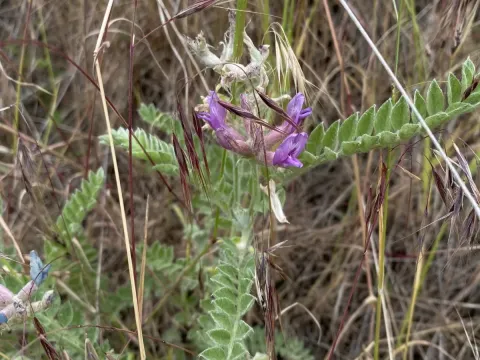
Astragalus inflexus
Astragalus inflexus
Sowing of Astragalus inflexus is primarily carried out in the spring when the soil warms up to 8–10 degrees Celsius. To achieve uniform germination, the seeds require scarification, as they have a hard seed coat that hinders water absorption.
What the section contains
Astragalus inflexus
The seeding rate is calculated based on the purity and germination capacity of the material, typically ranging from 10 to 12 kg per hectare using a standard row-drilling method. The sowing depth should not exceed 2–3 cm to ensure optimal moisture access.
When grown as an agricultural crop, providing sufficient space for each plant is crucial. Row spacing in industrial farming usually varies between 30 and 45 cm, allowing for mechanical weed control between rows.
During the first year, the crop develops relatively slowly, focusing on root system establishment, so effective weed management is essential. In subsequent years, the plant demonstrates vigorous regrowth immediately after winter.
Autumn sowing is only feasible in regions with mild winters where the risk of seedling frost damage is minimal. For winter sowing, the seeding rate should be increased by 15–20 percent to compensate for potential losses.
Astragalus inflexus belongs to the Fabaceae family and is known for its high drought resistance. The plant prefers well-lit sites with light sandy loam or loamy soils that possess good aeration.
The crop is highly sensitive to waterlogging and high groundwater levels; therefore, elevated fields should be chosen for cultivation. The optimal soil pH for successful development ranges from 6.5 to 7.5.
The plant features a well-developed taproot system, which allows it to penetrate deep soil layers and access water during dry periods. This makes it a promising candidate for reclaiming degraded lands and controlling soil erosion.
While the temperature requirements are moderate, the crop exhibits excellent winter hardiness in temperate climates. Spring frosts generally do not cause significant damage to the plant's above-ground parts.
Fertilizer application should be balanced: the crop responds well to phosphorus-potassium supplements, which enhance root strength and increase the sugar content of the green biomass.
The yield of green biomass of Astragalus inflexus depends directly on the agronomic practices and water availability during the peak growth period. In favorable years, the crop can provide two full harvests per season.
When used for hay, the average productivity ranges from 1.5 to 2.5 tons of dry matter per hectare. The green biomass is highly nutritious and contains a significant amount of high-quality protein.
Seed production is often a limiting factor due to the prolonged and uneven flowering period. To increase seed yields, it is necessary to encourage pollinators, particularly honey bees, to visit the fields during peak bloom.
The crop is valued for its longevity: it can maintain high productivity in the same field for 5 to 8 years under proper management, reducing the costs associated with annual soil preparation and replanting.
Maximum nutrient concentration is observed during the budding to early flowering phase, which is considered the optimal time for harvesting for forage purposes.
The main pests for this crop include weevils and leaf beetles, which can damage both the leaf apparatus and the generative organs of the plant. Regular monitoring of the fields is vital for early detection of pest outbreaks.
Diseases caused by pathogenic fungi, such as powdery mildew or rust, may appear during seasons with high humidity. Systemic fungicides are used to control these outbreaks during periods of active infection.
Root rot poses a danger when the crop is planted on heavy, waterlogged soils. Prevention involves practicing crop rotation and avoiding soil compaction in the top layer of the field.
Seedlings are often susceptible to wireworm attacks, making pre-sowing seed treatment with appropriate insecticides a standard practice for protection during the early stages of development.
Control measures involve a comprehensive approach: using resistant cultivars, adhering to optimal sowing dates, and carrying out phytosanitary measures to eliminate weeds that serve as disease reservoirs.
Harvesting Astragalus inflexus for hay should be performed at the budding stage. At this point, the concentration of protein and vitamins in the plant reaches its peak, ensuring high nutritional value of the feed.
Harvesting technology involves the use of mower-conditioners, which speeds up the wilting process in field conditions. It is important not to over-dry the hay to preserve the delicate leaves, which contain most of the nutrients.
Direct or separate combining methods are used for seed harvesting. Given the uneven ripening of the pods, timing the harvest correctly is critical to minimize losses from seed shattering.
After harvesting, the seed material must undergo cleaning to remove impurities and drying until the moisture content reaches 12–14 percent. Storage should be in dry, well-ventilated areas.
Post-harvest residues of Astragalus can be incorporated into the soil as green manure, significantly improving the structure and fertility of the topsoil layer.