
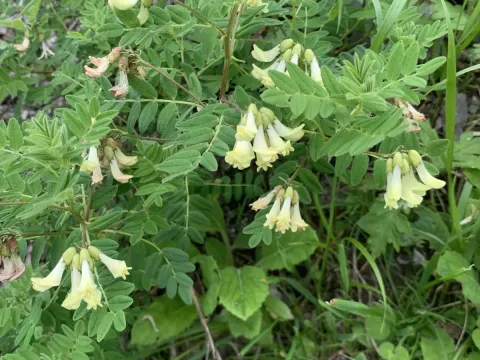
Astragalus membranaceus
Astragalus shinanensis
Sowing of Astragalus membranaceus is ideally performed in early spring once the soil temperature reaches 8-10 degrees Celsius, or in late autumn for winter dormant seeding. Winter sowing allows seeds to naturally stratify, which often results in more uniform germination.
What the section contains
Astragalus membranaceus
The seeds of Astragalus possess a very hard, water-resistant seed coat, making mechanical scarification mandatory before planting. Without this treatment, germination rates are typically low and uneven, hindering the establishment of a uniform crop stand.
Seed depth should be maintained at 1.5-2 centimeters in light soils to ensure they have enough energy to emerge. In heavier soil types, it is advised to sow slightly shallower to avoid seed rot and prevent failure of seedling emergence.
The recommended seeding rate is roughly 8-10 kg per hectare, depending on seed viability and purity. Row spacing should be set at 45-60 centimeters to provide enough room for tractor-mounted cultivation and weed management during the first year of growth.
During the first year, Astragalus membranaceus focuses its energy on deep root development rather than biomass. Patience is required as the plant develops a rosette of leaves and establishes the primary root system necessary for the subsequent years of yield.
Astragalus membranaceus is a heliophilic crop, requiring full sun exposure for optimal development. Shaded areas result in stunted growth and significantly lower concentrations of secondary metabolites within the roots, which are the main agricultural product.
The crop thrives in well-drained, sandy loam or light loamy soils. It is extremely sensitive to waterlogged conditions, which can lead to root rot; therefore, fields must have excellent natural or artificial drainage to support the crop.
The preferred soil pH for this species is neutral to slightly alkaline. In acidic soil conditions, liming is required well in advance of sowing to ensure proper nutrient availability and to foster the growth of beneficial soil microbiota.
This species is highly cold-hardy, well-adapted to temperate climates with distinct seasonal changes. It survives winter dormancy effectively, provided that soil moisture does not become excessive during the freezing and thawing cycles.
While the plant is quite drought-tolerant once established due to its long taproot, regular irrigation is vital during the germination and early seedling stage. Excessive nitrogen fertilization is avoided to prevent overgrowth of foliage at the expense of root density.
The economic yield of Astragalus membranaceus is concentrated in the taproot, which typically requires three to four years of growth to reach commercial maturity. Early harvesting reduces the content of active ingredients, diminishing the value of the final product.
Average yield for dried roots ranges from 1,500 to 2,500 kg per hectare under proper agricultural management. High fertility and diligent weed control are the primary drivers of yield stability throughout the multi-year production cycle.
The root density and uniform distribution within the field are critical. Achieving the right plant population ensures that each individual plant has sufficient access to soil resources, promoting the development of thick, medicinal-grade roots.
Quality parameters are defined by the level of polysaccharides and saponins present in the dried root. High-quality yield is characterized by firm, light-colored roots that have been cleaned and processed without heat stress.
Effective management strategies, such as using cover crops in the season prior to planting and conducting timely mechanical inter-row cultivation, are essential to boost production and ensure a long-term successful harvest.
Root weevils and aphids represent the most significant pest threats to Astragalus. These pests can severely damage the plant's health, particularly during the vulnerable establishment phase, often requiring strictly organic or biological control methods.
Fungal diseases, including Fusarium wilt and various root rots, are major risks in environments with poor drainage. Once a fungal pathogen establishes in a field, it is difficult to eradicate, emphasizing the need for preventative soil management.
Powdery mildew can affect the foliage during periods of high humidity and warm temperatures, potentially reducing photosynthetic capacity. Ensuring good air circulation between rows helps to mitigate the spread of these foliar pathogens.
Integrated Pest Management (IPM) is the gold standard for this crop, focusing on long-term crop rotation and sanitation rather than synthetic chemical intervention. Keeping fields free from specific weeds that act as disease reservoirs is crucial.
- Practice a minimum 5-year crop rotation cycle.
- Ensure soil aeration by preventing compaction.
- Promptly rogue any plants showing signs of root decay.
Harvesting is typically scheduled for late autumn, once the top growth has senesced and the plant has entered dormancy. This timing ensures that the maximum concentration of therapeutic compounds is translocated into the root system.
Industrial harvest utilizes deep-digging plows or specialized root lifters that extract the entire root system with minimal breakage. Harvesting when the soil is slightly dry helps in cleaning the roots more efficiently.
Post-harvest processing involves thorough washing to remove all soil debris, followed by trimming of lateral rootlets. The roots are then sorted by diameter and quality grade before proceeding to the drying phase.
Drying is performed in climate-controlled environments at temperatures between 40 and 50 degrees Celsius. This carefully regulated process is essential to maintain the biochemical integrity and physical quality of the roots.
Once dried, the roots must be stored in moisture-proof packaging in cool, dark, and well-ventilated areas to prevent spoilage. Properly maintained dried Astragalus root can be stored for years without a significant decline in quality.