
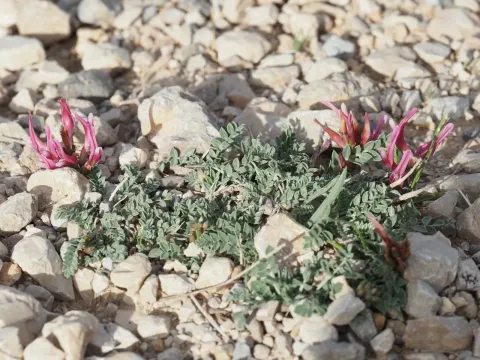
Astragalus incanus
Astragalus incanus
Astragalus incanus is a perennial herbaceous plant belonging to the Fabaceae family. Sowing is typically performed in the spring when soil temperatures reach 10–12 degrees Celsius to ensure uniform germination across the field.
What the section contains
Astragalus incanus
Before sowing, the seeds require scarification due to their hard seed coat, which naturally prevents moisture from reaching the embryo. Seeds should be planted at a depth of 1 to 2 centimeters to provide an optimal balance between soil moisture access and emergence vigor.
During the first year, growth is remarkably slow as the plant invests heavily in developing its taproot system. Weed control is essential during this establishment phase to ensure that young seedlings are not outcompeted for sunlight and nutrients.
In arid regions, planting in rows is recommended to optimize the use of limited water resources. This method also facilitates mechanical weeding, which is particularly beneficial for the long-term health of the stand.
Early spring or late autumn sowing can be effective depending on the regional climate conditions. Consistency in soil moisture at the time of sowing significantly influences the density and quality of the resulting stand.
This species is well-adapted to semi-arid environments, acting as a xerophyte capable of thriving in areas with low precipitation. Its deep root system allows it to access water deep within the soil profile, ensuring survival during intense summer droughts.
Astragalus incanus prefers well-drained, sandy, or loamy soils with a neutral or slightly alkaline pH. Waterlogged soils are detrimental to the plant, as poor drainage often leads to root decay and overall poor performance.
High light exposure is a prerequisite for vigorous growth and maturation. The plant performs best in open, sunny habitats where it can maximize photosynthetic activity without shading from taller vegetation.
The plant demonstrates remarkable cold hardiness, allowing it to withstand the severe winters characteristic of steppe and continental climates. It is an ideal candidate for soil stabilization and landscape restoration in harsh environmental conditions.
Fertilization with phosphorus and potassium is beneficial for stimulating root development and increasing overall plant resilience. Proper soil nutrition supports the plant's natural nitrogen-fixing capabilities, which in turn benefits the surrounding soil ecosystem.
While often used in traditional medicine, Astragalus incanus also serves a role in sustainable agriculture due to its nitrogen-fixing properties. It is a valuable plant for improving soil structure in degraded agricultural lands.
The biomass yield is highly dependent on environmental conditions and the age of the stand. While it provides moderate forage production, its primary value often lies in its ecological contribution rather than high-volume hay production.
Seed production depends heavily on the presence of effective pollinators such as wild bees. Ensuring a healthy population of pollinators in the vicinity of the crop is crucial for maximizing seed harvest success.
As a perennial crop, it remains productive for several years after the establishment phase. Once established, the stand requires minimal intervention, making it a low-input option for certain types of land management.
Management practices, such as proper harvest timing and avoiding overgrazing, are essential to maintain the productivity and longevity of the stand. Sustainable harvest cycles ensure that the plant maintains its energy reserves for the following season.
Powdery mildew represents a common fungal threat, particularly in years with high humidity or poor air circulation within the stand. Proper spacing during planting helps mitigate this risk by improving airflow.
Various insect pests, including weevils and certain caterpillar species, may target the flowers and pods, potentially damaging seed yield. Integrated pest management practices should be employed to control these populations without harming beneficial pollinators.
Root rot, driven by stagnant water or excessively wet conditions, poses a significant risk to the plant's long-term survival. Ensuring that the site has excellent drainage is the most effective preventative measure against these infections.
Weed competition is the primary challenge during the first year of growth. Mechanical weeding between rows effectively manages invasive species, allowing the crop to establish its root system undisturbed.
Monitoring for signs of viral infections is recommended, especially in high-density plantings. Providing the plants with optimal nutrient levels helps them maintain a strong immune response against common regional pathogens.