
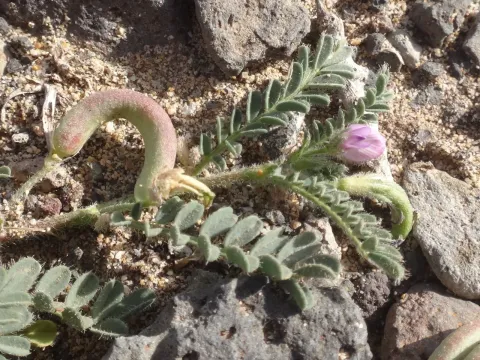
Astragalus mareoticus
Astragalus mareoticus
Astragalus mareoticus is a distinct species of the legume family (Fabaceae), recognized for its physiological adaptations to the arid ecosystems of Northern Africa.
What the section contains
Astragalus mareoticus
As a desert-adapted plant, it exhibits a rapid lifecycle, germinating and maturing during the short rainy seasons characteristic of its Mediterranean-Saharan habitat.
The species demonstrates remarkable efficiency in sandy soils, effectively utilizing limited water resources while providing ground cover in volatile dune environments.
Botanically, it features pinnately compound leaves and typical papilionaceous flowers, which are highly efficient in attracting local pollinators under harsh conditions.
Soil nutrient requirements are minimal, as the plant thrives in low-fertility substrates by forming beneficial root nodules that enhance nitrogen levels in the soil.
The health of Astragalus mareoticus populations is primarily threatened by fungal pathogens when atmospheric humidity unexpectedly rises during the growth phase.
Root rot, driven by persistent waterlogging in poorly drained pockets, remains the most significant biotic stress factor for this species in managed settings.
Insect pests, specifically seed-feeding weevils, pose a major threat to the reproductive success of the plant by damaging the developing fruit pods.
Herbivory by desert mammals is a continuous pressure, requiring management strategies that balance forage use with the need for natural reseeding.
Proper field management, including periodic monitoring for signs of wilt and insect activity, is essential to maintain a healthy stand of this resilient legume.