
Astragalus hauarensis
Astragalus hauarensis
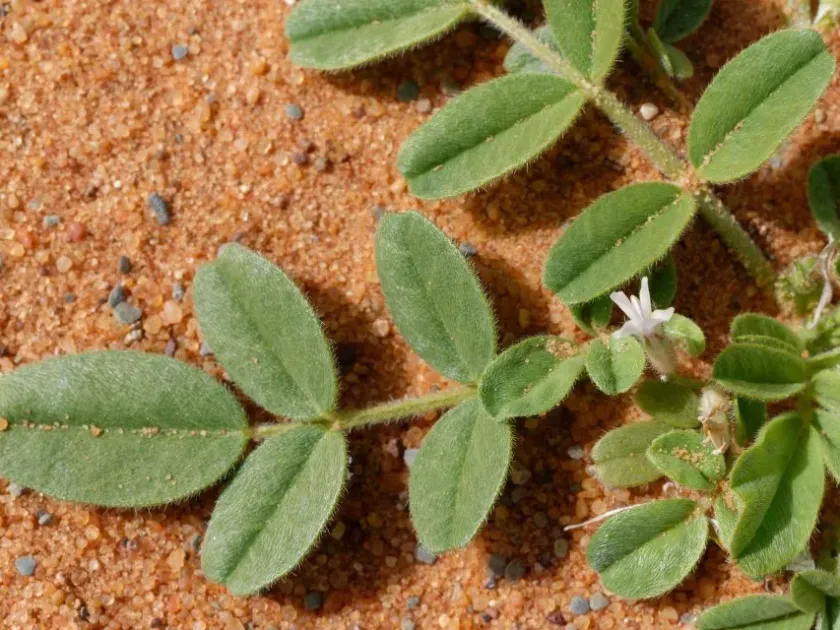
Description
Sowing dates
Astragalus hauarensis belongs to the Fabaceae family and is recognized as a hardy perennial legume suitable for dry land farming.
The seeds have a hard seed coat, which necessitates mechanical or chemical scarification prior to planting to ensure uniform germination.
Sowing should ideally occur in the early spring, taking advantage of residual soil moisture to establish a strong root system early on.
Row planting is recommended, providing adequate space for individual plant development and reducing competition for scarce water resources.
Planting depth should be kept between 2 and 3 centimeters to ensure seeds are adequately covered while still able to reach the surface.
Growing requirements
This species is highly adapted to arid environments, thriving in regions with high solar radiation and low annual precipitation.
Well-draining, sandy or loamy soils are optimal for this crop, as they prevent the water stagnation that can lead to root diseases.
The plant exhibits significant drought tolerance, allowing it to maintain growth even during prolonged hot and dry summer months.
A neutral or slightly alkaline soil pH is preferred to facilitate the activity of nitrogen-fixing bacteria within the root nodules.
Protection from cold winds and extreme frost is beneficial, though the plant is generally hardy within its natural geographic range.
Yield
The primary use of Astragalus hauarensis is for forage production, providing a valuable source of protein for livestock in arid regions.
Yield stability is heavily influenced by the density of the stand and the effective management of nutrient availability in the soil.
As a legume, it contributes significantly to soil health by fixing atmospheric nitrogen, thereby reducing the need for chemical fertilizers.
Multi-cut systems can be implemented if water management practices, such as supplemental irrigation, are available during dry spells.
Economic potential lies in its ability to produce biomass on marginal lands where other, less resilient crops would typically fail.
Main diseases and pests
Weevils are among the most prevalent pests, often causing damage to the foliage and potentially impacting the overall vigor of the crop.
Fungal pathogens such as Fusarium can become a threat if the soil remains excessively moist or if crop rotation is not practiced.
Powdery mildew may appear under conditions of high humidity or poor air circulation, necessitating prompt management through cultural practices.
Integrated pest management, including regular scouting and selective use of bio-pesticides, is recommended for maintaining stand health.
Proper weed control in the early establishment phase is essential to prevent competitive species from suppressing the crop development.
Harvesting
Forage harvest is optimal at the onset of the flowering stage, which ensures a favorable balance of protein content and total dry matter yield.
Stubble height during cutting must be sufficient to protect the base of the plants, facilitating quick recovery and regrowth of the canopy.
Seed harvesting requires precision, as the pods can shatter if allowed to over-ripen, leading to significant yield losses in the field.
Technological approaches such as direct combining require careful timing to match the moisture content of the seeds with machinery settings.
Post-harvest cleaning and proper storage are necessary to maintain seed viability and prevent mold growth during the off-season.