
Astragalus maximus
Astragalus maximus
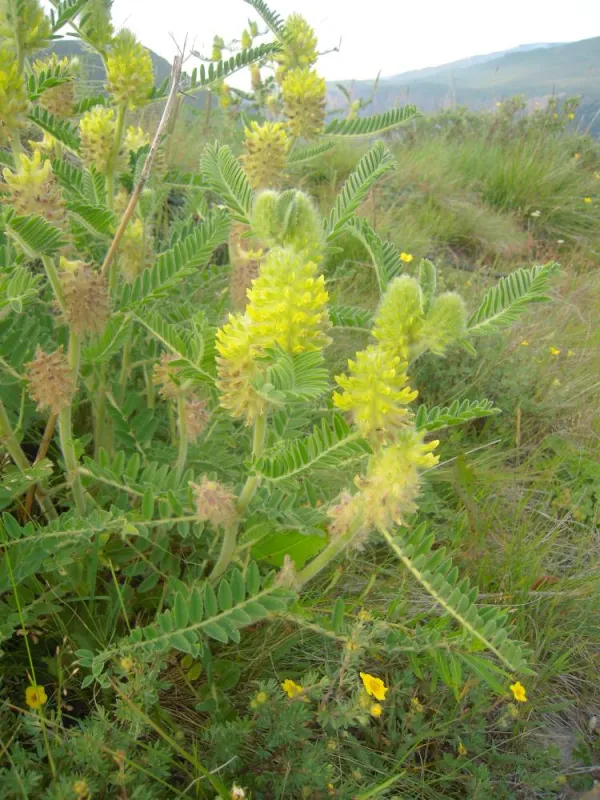
Description
Sowing dates
Astragalus maximus is a perennial herbaceous plant belonging to the Fabaceae family. Sowing is typically carried out in early spring when soil temperatures reach 8-10 degrees Celsius, or alternatively, late autumn sowing can be performed to promote natural seed stratification.
The seeds are sown in rows with a spacing of 30-45 centimeters. Due to the hard seed coat, scarification is strongly recommended before planting to break dormancy and ensure uniform germination rates across the field.
The recommended sowing depth is between 2 and 3 centimeters, depending on the texture of the soil. Precise depth control is essential to prevent poor emergence in heavy soil types where soil compaction might restrict seedling growth.
The standard seeding rate ranges from 10 to 15 kilograms per hectare. As the crop exhibits slow development during its first year, maintaining a weed-free environment is critical to ensuring the establishment of a strong stand.
Rolling the field immediately after sowing is a standard practice to improve capillary water movement to the seeds, which significantly boosts germination in areas with limited early-season precipitation.
Growing requirements
This crop is highly heliophilic, preferring open sites with full sun exposure. It demonstrates significant drought resistance due to a deep taproot system that enables the plant to access moisture in deeper soil layers.
Astragalus maximus thrives in chernozem and chestnut soils with neutral to slightly alkaline pH levels. Well-drained soils are essential, as the plant is sensitive to prolonged waterlogging and flooding.
The species is known for its high cold tolerance, making it suitable for cultivation in various temperate climates. The ideal temperature range for active vegetation is between 20 and 25 degrees Celsius.
Symbiosis with nitrogen-fixing bacteria is vital for the health and nutrition of this legume. When establishing the crop in new areas, inoculating the seeds with appropriate rhizobial strains is highly recommended to ensure sufficient nitrogen fixation.
Adequate application of phosphorus and potassium fertilizers promotes root development and boosts long-term productivity, making regular soil testing and nutrient management a core part of its cultivation strategy.
Yield
Astragalus maximus is valued for the high protein content of its biomass, which serves as a high-quality forage source for livestock. Productivity levels depend largely on local weather conditions and the management of water resources.
The crop reaches its peak productivity in the second and third years after establishment. Under optimal moisture conditions, it is possible to harvest multiple cuts per growing season, providing a steady supply of nutritious feed.
The dry matter contains approximately 15-18 percent crude protein, making it an excellent ingredient for hay or silage production. It is highly sought after for its ability to maintain nutritional quality even when harvested at a later growth stage.
As a legume, it contributes to soil health by fixing atmospheric nitrogen, which reduces the need for synthetic nitrogen fertilizers for subsequent crops. This makes it a valuable asset for sustainable crop rotation practices.
Seed production yields range from 3 to 6 centners per hectare, depending on the density of pollinating insects like bees and bumblebees, which are essential for successful cross-pollination in this species.
Main diseases and pests
Weevils are among the primary pests, causing damage to both the vegetative parts and the reproductive buds. Tarnished plant bugs may also cause damage by sucking sap from tender new shoots.
Powdery mildew is a common fungal threat, typically appearing under high humidity conditions. Implementing wide row spacing and ensuring good field ventilation are effective ways to mitigate the spread of this disease.
Root rot occurs primarily in waterlogged or poorly drained soils, leading to plant decline and yield loss. Selecting suitable land with efficient drainage is the most effective preventative measure against this pathology.
Rust may infect the foliage during the second half of the summer, which can decrease the forage value of the green mass. Preventive fungicide applications may be necessary in high-risk seasons to maintain crop quality.
Managing the risk of pests and diseases involves strict adherence to crop rotation, avoiding planting Astragalus after other legumes, and conducting regular mechanical cultivation to disturb pest life cycles in the soil.
Harvesting
For high-quality green forage, the crop should be harvested at the beginning of the flowering phase. This timing ensures the highest concentration of vitamins, proteins, and minerals in the plant tissue.
When producing hay, the crop should be dried quickly in swaths to minimize leaf loss. Preserving the delicate leaves is the most important factor in maintaining the nutritional value of the final product.
Harvesting for seeds takes place when the pods turn dark and the seeds become firm. Direct combine harvesting is typically done in the early morning hours to keep the pods slightly moist, which reduces seed shattering losses.
Post-harvest processing involves cleaning the seeds and drying them to a moisture content of 12-14 percent. Proper storage in dry, well-ventilated facilities is crucial for maintaining seed viability until the next season.
After the final cut of the season, light harrowing helps to aerate the soil and remove dead plant material. This process is beneficial for the overall health of the stand and prepares the plants for successful winter survival.