
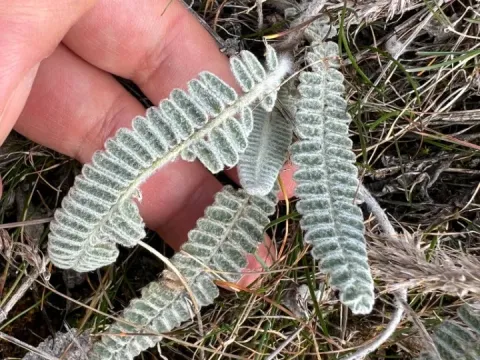
Chalk milkvetch
Astragalus cretaceus
Chalk milkvetch (Astragalus cretaceus) is a perennial herbaceous plant belonging to the Fabaceae family. This species is highly specialized, naturally occurring on chalk outcrops and limestone substrates.
What the section contains
Chalk milkvetch
The plant is known for its remarkable calciphilous nature, thriving in poor, stony soils where other agricultural crops struggle to survive. Its deep taproot system makes it exceptionally robust and capable of anchoring soil on steep slopes.
Optimal growth conditions require full sun exposure and well-drained, alkaline soils. The species is highly sensitive to waterlogging, which can cause root rot, making site selection critical for cultivation.
It displays high tolerance to extreme temperature fluctuations and drought, characteristics that are increasingly valued in agricultural land management in arid regions.
Beyond its botanical interest, the species serves as a vital component in phytoremediation projects, helping to restore degraded landscapes and prevent soil erosion in industrial or post-mining areas.
The primary health risks for the plant include various fungal infections, particularly root rot, which typically manifest during periods of excessive rainfall or poor field drainage.
Insect pests, such as weevils and aphids, may target the flowers and pods, potentially damaging seed development and reducing the overall vigor of the crop.
Stagnant moisture is the single biggest threat to the health of the species, as it rapidly promotes anaerobic conditions that the root system cannot tolerate.
Weed encroachment is a significant challenge during the seedling stage, as the plant exhibits relatively slow initial growth rates compared to invasive grasses.
Integrated pest management strategies focusing on ventilation and proper soil aeration are recommended to maintain plant health and prevent the spread of fungal pathogens.