
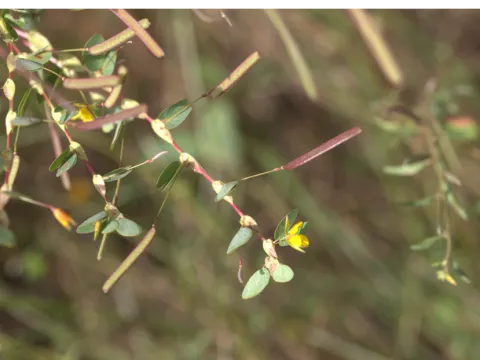
Chamaecrista diphylla
Chamaecrista diphylla
Sowing Chamaecrista diphylla should be scheduled at the onset of the rainy season to ensure sufficient moisture for germination. In tropical regions, this timing aligns with the start of the primary growing season.
What the section contains
Chamaecrista diphylla
Due to the hard seed coat, scarification is highly recommended to improve germination rates. This process breaks dormancy and ensures a more uniform stand across the agricultural field.
The seeding rate depends on the intended use, such as biomass production or soil improvement. Denser sowing patterns help suppress weed growth effectively by covering the soil surface quickly.
Seeds are typically planted at a depth of 1 to 2 centimeters. Proper depth is crucial, as too shallow sowing leads to drying, while deep planting may prevent the seedlings from reaching the surface.
After emergence, the crop exhibits vigorous initial growth. This rapid establishment is a significant advantage, reducing the need for intensive weeding during the early stages of development.
Chamaecrista diphylla is a hardy legume species capable of thriving in nutrient-poor soils. It is particularly valued in tropical farming for its ability to colonize degraded lands and restore soil health.
The crop performs best in well-drained soils with a slightly acidic to neutral pH. It is highly sensitive to waterlogging, so fields should be leveled or managed to ensure efficient water drainage.
Being a heliophilic plant, it requires full sunlight to achieve maximum biomass yield. Shading from trees or neighboring crops can significantly stunt its growth and reduce nitrogen-fixing efficiency.
The optimal temperature range for growth is between 22 and 30 degrees Celsius. Once established, the root system provides a moderate level of resilience against intermittent dry spells.
As a legume, it forms symbiotic relationships with nitrogen-fixing bacteria. This biological process significantly enriches the soil, making it a preferred choice for sustainable crop rotations.
When grown as green manure, the crop should be harvested at the beginning of the flowering stage. At this phenological phase, nitrogen concentration in the plant tissues is at its peak.
Seed harvesting should occur when the pods turn dark brown. Growers must monitor the crop closely, as pods tend to dehisce (shatter) once dry, which can lead to substantial seed loss in the field.
For forage purposes, the plant is harvested by mowing. It possesses excellent regrowth capabilities, allowing for multiple cuttings within a single season if moisture conditions remain favorable.
Incorporating the biomass into the soil after harvest promotes rapid decomposition and nutrient recycling. This practice improves soil structure and supports the yield of subsequent crops in the rotation.
Stored seeds must be kept in a cool, dry environment to maintain viability. Proper storage prevents fungal growth and insect infestation, ensuring high-quality material for the next planting season.
Fungal diseases are the primary concern, especially in areas with poor drainage or high humidity. Root rot pathogens can cause significant mortality if the soil remains waterlogged for extended periods.
Leaf-feeding insects and beetles are common pests that may reduce the leaf area, thereby affecting the plant's photosynthetic capacity. Field scouting is essential to manage these populations early.
Nematode infestations can interfere with nodulation and nitrogen fixation. This results in stunted growth and yellowish foliage, signaling that the plant's nutritional intake is being compromised.
Integrated pest management, including crop rotation, is the most sustainable way to mitigate these threats. Avoiding mono-cropping with legumes helps break the life cycle of soil-borne pathogens.
Using certified, disease-free seed lots is the first line of defense. Selecting varieties adapted to the local environment and ensuring healthy growth conditions remain the best strategies for a successful crop.