
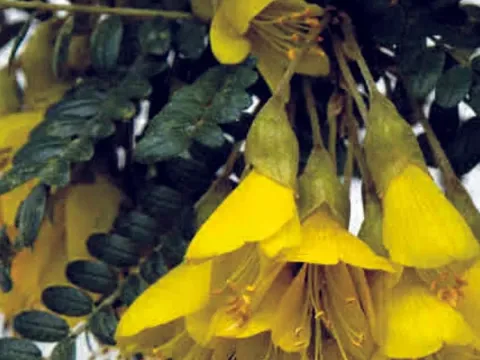
Ceylon sophora
Sophora zeylanica
Ceylon sophora (Sophora zeylanica) belongs to the Fabaceae family. This species is a woody plant or shrub native to the tropical regions of Asia, primarily found in areas with high humidity and stable temperatures throughout the year.
What the section contains
Ceylon sophora
The plant thrives in well-lit environments but benefits from partial shade during the peak of the day. It is highly sensitive to frost, necessitating a climate with mild winters to ensure the survival and long-term health of the specimens.
Optimal soil conditions include fertile, sandy loams that provide excellent drainage. The species is susceptible to root rot if water accumulates around the base, so maintaining a proper drainage system is crucial for its development in garden or agricultural settings.
Agronomic practices for Ceylon sophora involve moderate fertilization during the growing season. Nitrogen, phosphorus, and potassium should be provided in a balanced ratio to promote both foliage health and structural stability of the branches.
The plant has significant ornamental potential and is increasingly utilized in landscaping for its unique structure and foliage density. Proper pruning techniques are essential to maintain the desired shape and promote healthier growth cycles over the lifespan of the tree.
Fungal diseases represent the most significant threat to Ceylon sophora, particularly in humid climates. Powdery mildew can quickly affect the leaves if air circulation is poor or if the canopy is too dense to allow for rapid drying after rainfall.
Pests such as aphids, spider mites, and scale insects frequently target new growth. These pests can severely weaken the plant by extracting nutrients, necessitating regular inspections and the application of pest management strategies.
Root system issues are often linked to improper irrigation practices. Overwatering or the use of poorly drained soil can lead to anaerobic conditions, which promote soil-borne pathogens that target the root cortex.
Maintaining the physical integrity of the bark is essential, as fissures or wounds can serve as entry points for wood-boring insects or bacterial infections. Proper wound care is necessary whenever pruning is performed.
Integrated pest management remains the most effective approach to preserving the health of these plants. By combining cultural practices, such as proper spacing and cleaning, with targeted treatments, growers can effectively manage common regional threats.