
Cercis glabra
Cercis glabra
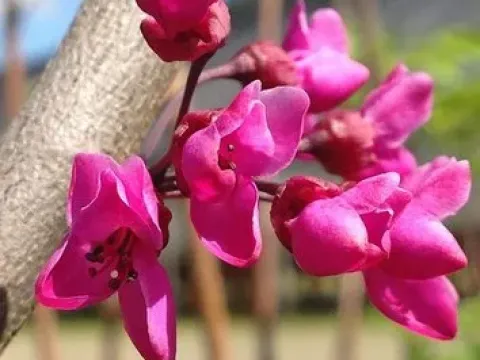
Cercis glabra is a deciduous tree belonging to the Fabaceae family. Known commonly as the Chinese redbud, it is highly valued for its intense, early spring bloom that covers the branches before the foliage emerges.
What the section contains
Cercis glabra
The species is native to central and southern China, where it grows in mountain valleys and along stream banks. It thrives in temperate regions with distinct seasonal changes, which trigger its prolific flowering cycle.
Successful cultivation requires fertile, well-draining soil with a neutral to slightly alkaline pH. Drainage is a critical factor, as Cercis glabra is highly susceptible to root rot in waterlogged conditions, making well-aerated soil essential for long-term survival.
The climate requirements include access to full sun, which is necessary for proper growth and abundant flower production. While young trees require supplemental watering during the establishment phase, mature specimens develop a degree of drought tolerance.
In terms of practical application, the plant is primarily used as an ornamental centerpiece in parks and large gardens. Its durable wood and attractive foliage provide year-round interest, and it is also studied for its role in biodiversity as a legume species that contributes to soil health.
Common diseases affecting Cercis glabra include fungal issues such as Verticillium wilt, which can cause significant damage to the vascular system. Leaf spot pathogens may also occur during periods of high humidity and poor air circulation.
Pest threats include various leaf-eating insects, such as caterpillars and beetles, as well as sap-sucking insects like scale and aphids. These pests weaken the plant, making it more vulnerable to secondary environmental stresses.
Preventive maintenance, including sanitary pruning and the removal of infected branches, is essential to maintain tree health. Improving air circulation within the canopy helps significantly reduce the incidence of fungal outbreaks.
Strategic monitoring during the growing season is recommended to detect pest infestations early. The use of systemic insecticides or organic alternatives should be applied according to the specific level of pest pressure observed in the field.
Maintaining a healthy, well-mulched root zone and providing balanced fertilization are key to strengthening the tree's natural defense mechanisms. Proper tree care minimizes the need for heavy chemical intervention and supports sustainable garden management.