
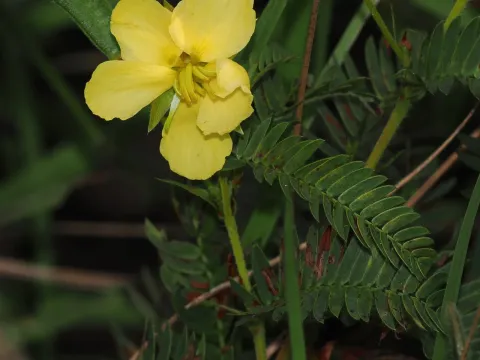
Chamaecrista comosa
Chamaecrista comosa
Chamaecrista comosa is a heat-loving crop, so sowing is conducted during periods of stable high temperatures. In tropical regions, sowing times are synchronized with the beginning of the rainy season, which provides optimal soil moisture for seed germination.
What the section contains
Chamaecrista comosa
The seeds of this species possess a hard seed coat, therefore scarification is highly recommended prior to planting. This process significantly increases the germination percentage and ensures more uniform and vigorous seedling emergence in the field.
The seeding rate is determined by the intended use: it is higher when cultivating for green biomass compared to seed production. The planting depth typically ranges from 1 to 3 centimeters, depending on the soil structure and moisture levels.
In the first weeks after sowing, the crop develops relatively slowly, necessitating timely weed control measures. Once the rows close, the plant effectively suppresses weeds through its dense vegetative canopy, reducing the need for further intervention.
The crop demonstrates excellent natural reseeding capabilities under favorable climatic conditions. This trait is frequently utilized in agroforestry systems to maintain continuous soil cover without the requirement for annual replanting.
Chamaecrista comosa belongs to the Fabaceae family and is a typical plant of tropical and subtropical latitudes. It prefers well-drained soils, although it is capable of tolerating temporary waterlogging and moderate soil acidity.
This plant is highly light-demanding and performs poorly under shade from taller crops or tree canopy cover. The optimal temperature range for active vegetative growth is between 22 and 30 degrees Celsius.
A key biological feature is the crop's ability to adapt to nutrient-poor soils with low phosphorus content. This is achieved through active symbiosis with nitrogen-fixing soil bacteria, which significantly enrich the soil with atmospheric nitrogen.
The crop is notably drought-tolerant, making it a valuable asset for regions with a distinct dry season. Its robust root system allows the plant to access moisture from deeper soil horizons, maintaining viability during adverse environmental periods.
To achieve maximum productivity on exhausted lands, the application of minor doses of micronutrients is recommended. This stimulates root nodule development and accelerates the accumulation of organic matter in the topsoil layer.
The green biomass yield of Chamaecrista comosa is directly proportional to soil fertility and rainfall patterns. Under intensive management, the crop can provide multiple harvests within a single growing season, ensuring high biomass output.
When used as a green manure or cover crop, the volume of accumulated biomass reaches significant levels, substantially improving soil structure. The plant decomposes rapidly, releasing essential nutrients to subsequent agricultural crops.
Seed productivity is also high, making the crop economically attractive for seed material producers. With proper management, seed harvesting is possible at the end of the growth cycle once the pods have reached maturity.
Agricultural use includes the utilization of the crop as a high-protein forage for livestock. The leafy mass contains a valuable profile of amino acids, which contributes to the rapid weight gain of grazing animals.
The crop is also valued for its anti-erosion properties, as it helps stabilize soil on slopes. Due to its dense growth habit, it effectively protects the topsoil layer from water and wind erosion, promoting the preservation of soil fertility.
The primary diseases of Chamaecrista comosa are associated with fungal infections in conditions of excessive humidity. Root rots may develop in heavy, waterlogged soils where standing water accumulates after heavy precipitation.
Insect pests, such as cutworms and certain types of caterpillars, may occasionally damage young foliage. In most cases, pest populations are naturally managed by local entomophagous insects, reducing the need for chemical applications.
Viral diseases are significantly less common but can be transmitted by sap-sucking insects like aphids. Prevention involves strict adherence to crop rotation and the removal of weeds that act as reservoirs for viral infections.
Nematodes can affect the root system in fields with long-term monoculture practices. To minimize risks, it is recommended to practice crop rotation and utilize varieties that show natural resistance to soil-borne pathogens.
Overall resistance to a complex of harmful factors is rated as high. This allows for the successful cultivation of Chamaecrista comosa using organic farming technologies with minimal expenditure on plant protection products.
Harvesting for green biomass is best performed at the onset of the flowering stage, when nutrient concentration in the plant reaches its peak. Timely cutting stimulates tillering and the regeneration of secondary shoots.
When harvesting for seeds, it is necessary to wait until the majority of the pods on the plant have turned brown. Harvesting should be performed during dry weather to prevent molding of the seed material, which is highly hygroscopic.
Post-harvest processing of seeds includes mandatory cleaning of plant debris and drying to a safe moisture level. Storage must be conducted in a cool, dry environment to maintain long-term seed viability.
When used as a cover crop, mowing is performed immediately prior to planting the main agricultural crop. The shredded biomass is left on the field as mulch, gradually decomposing and cycling nutrients back into the soil.
Mechanization of the harvest is feasible using standard mowers and grain combines adjusted for small-seeded legumes. This significantly reduces labor costs when cultivating the crop on large agricultural areas.