
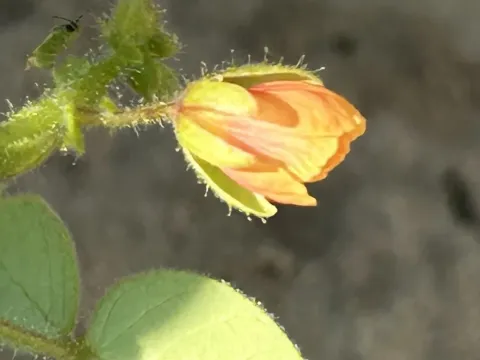
Chamaecrista absus
Chamaecrista absus
Sowing Chamaecrista absus should be timed to avoid any frost risks, as this species thrives in warm and stable weather conditions. Planting is typically initiated in late spring once the soil temperature is consistently above 20 degrees Celsius.
What the section contains
Chamaecrista absus
Due to the hard seed coat, pre-sowing treatments like mechanical or chemical scarification are often recommended to ensure high germination rates. Seeds should be planted at a shallow depth of approximately 2 to 3 centimeters for optimal emergence.
The spacing between rows should be maintained at 40-50 centimeters to allow for adequate airflow and weed management. A uniform planting pattern helps maximize the density while preventing competition among individual plants.
Sufficient initial irrigation is crucial after sowing to establish the crop and ensure proper root development. Soil moisture should be carefully monitored during the germination phase to prevent crusting of the surface.
Seeding rates are adjusted based on the specific end-use, whether it is for biomass production or seed harvesting. Consistent spacing is vital for uniform maturation and easier mechanical harvesting later in the season.
Chamaecrista absus belongs to the Fabaceae family and performs best in well-drained, sandy loam soils with a neutral pH. It is highly sensitive to waterlogging, which can severely hinder its development and promote root rot.
The plant requires full sun exposure throughout the growing season, as it thrives in high light intensity. Shaded areas result in reduced growth rates and lower concentrations of essential phytochemicals.
Climatic conditions should reflect its tropical and subtropical origin, characterized by high temperatures and moderate rainfall. It is susceptible to cold stress, making warm climates ideal for commercial production.
Adequate soil fertility, particularly concerning phosphorus and potassium levels, is essential for healthy reproductive growth. Organic matter amendments can significantly improve yield on nutrient-deficient agricultural lands.
Managing soil aeration through periodic inter-row cultivation is beneficial for the root system. Proper airflow and light penetration help maintain a healthy plant canopy, reducing the risk of moisture-related diseases.
Fungal diseases like powdery mildew present a major challenge, especially during periods of high humidity or poor ventilation. Integrated pest management, including regular crop rotation, is essential to mitigate these risks.
Aphids are the most common insect pests, feeding on succulent young foliage and potentially transmitting viruses. Early detection and targeted biological controls are the most effective strategies for maintaining crop health.
Root pathogens thrive in over-saturated soil, making precise irrigation management a key preventive measure. Ensuring fields have proper drainage significantly reduces the incidence of root-related decay.
Weed control is critical during the initial vegetative growth stages to ensure the crop establishes dominance in the field. Mechanical weeding is generally preferred to minimize the use of herbicides.
Stored seeds can be targeted by weevils, necessitating proper post-harvest fumigation and airtight storage conditions. Maintaining low moisture content during storage is the best defense against long-term deterioration.
Harvesting is conducted when the pods reach full maturity and display a darkened color. This timing ensures that the seeds have reached their peak physiological maturity and maximum concentration of active compounds.
Mechanical harvesting must be performed with careful adjustment of equipment to minimize seed damage or cracking. For smaller high-quality batches, hand-picking can be used to ensure better purity of the harvested material.
Post-harvest drying should be performed in a cool, ventilated environment to prevent mold growth. Exposure to extreme heat during the drying process must be avoided to preserve the plant's delicate biological components.
Seed cleaning involves separating the seeds from debris and pods using standardized mechanical sieves. Achieving high purity is essential for meeting industry standards for pharmaceutical or agricultural use.
Long-term storage requires cool, dry conditions with protection from light and humidity. Utilizing moisture-proof packaging ensures that the seeds remain viable and potent until they are processed for their specific applications.