
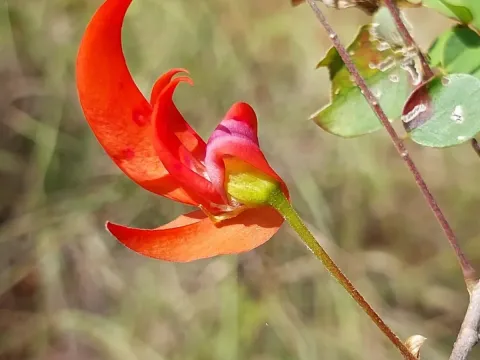
Chadsia
Chadsia
The genus Chadsia belongs to the Fabaceae family, encompassing a variety of shrubs and small trees primarily endemic to Madagascar. These plants are recognized for their distinct floral structures characteristic of the legume family.
What the section contains
Chadsia
The cultivation of Chadsia requires a warm, tropical climate where temperatures remain consistent throughout the year. Frost sensitivity is high, making it unsuitable for regions with cold seasonal shifts without significant climate control.
Soil requirements involve a well-draining medium that prevents waterlogging. Given the genus's origin, it thrives in slightly acidic substrates rich in organic matter, which supports the symbiotic nitrogen-fixing bacteria often found in Fabaceae.
Sunlight exposure is crucial for the development of these plants. They prefer bright, indirect light or filtered sunlight, which mimics their natural habitat beneath the tropical canopy.
Agricultural use of Chadsia is largely experimental or ornamental. There is interest in evaluating its biomass production and its contribution to soil enrichment through natural nitrogen fixation in tropical agricultural systems.
Common threats to Chadsia include fungal pathogens such as leaf spot diseases, which flourish in high-humidity tropical environments if air circulation is inadequate.
Pests like spider mites and aphids are frequently observed, particularly in sheltered nursery conditions, where they can rapidly multiply and cause chlorosis or leaf deformation.
Root rot remains the most significant physiological threat, usually triggered by improper watering practices and poor drainage. Managing soil moisture is vital for long-term plant health.
Environmental stress, such as extreme variations in humidity or sudden cold snaps, can weaken the plant, making it more susceptible to opportunistic secondary infections.
Effective management strategies rely on periodic monitoring, maintaining optimal hygiene in the planting zone, and applying targeted organic pesticides when threshold levels of infestation are exceeded.