
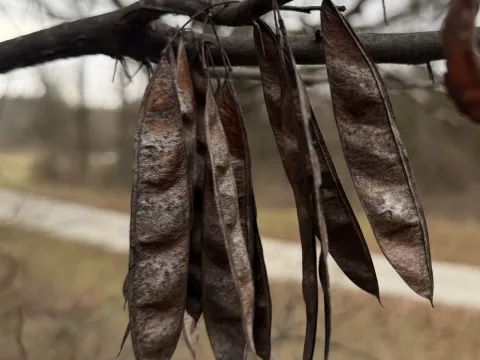
Cercis
Cercis L.
Propagation of Cercis through seeds requires a mandatory stratification period of 2 to 3 months at temperatures between 3°C and 5°C to break dormancy.
What the section contains


Cercis
Seeds can be sown in early spring in well-prepared beds or directly outdoors in late autumn, allowing for natural winter stratification to take place.
The seeds should be planted at a depth of approximately 2-3 centimeters in soil rich in organic matter and well-draining mineral components.
Seedling development is relatively slow, and in the first year, plants need careful monitoring of moisture levels to prevent the drying out of the root zone.
Vegetative propagation using green cuttings is often performed in greenhouses with misting systems, often requiring the application of synthetic auxins to stimulate root formation.
Cercis is a genus of deciduous trees and shrubs within the Fabaceae (legume) family, known for its distinctive cauliflory where flowers grow directly on trunks and branches.
These plants thrive in full sun but require protection from strong, desiccating winds that can damage the delicate wood of younger branches.
Soil requirements include excellent drainage and a neutral to slightly alkaline pH. The plant performs poorly in heavy, waterlogged clays which lead to root rot.
While established Cercis trees exhibit high drought tolerance, they require consistent irrigation during their formative years to support healthy canopy development.
Nutrient management is generally low-maintenance, as the plant can utilize nitrogen fixation, although a balanced slow-release fertilizer may be beneficial for young specimens.
The most significant pathological threat to Cercis is Verticillium wilt, a soil-borne fungus that affects the vascular system and often proves fatal for the tree.
Fungal leaf spot diseases are common, especially in humid and stagnant air conditions, leading to aesthetic damage and occasionally early defoliation.
Insect pests, including aphids and various species of scales, frequently target the succulent growth of young branches, necessitating regular monitoring during spring.
Borer insects can damage the trunk, so maintaining tree vigor through proper pruning and avoiding physical injuries to the bark is essential for long-term health.
Integrated pest management should focus on good sanitation, including the removal of infected plant debris and the application of targeted insecticides only when infestation thresholds are exceeded.