
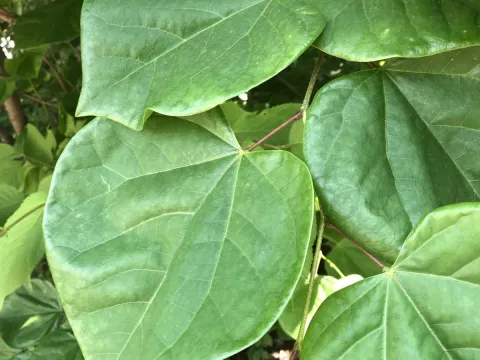
Cercis chinensis
Cercis chinensis
Cercis chinensis, a member of the Fabaceae family, is typically propagated via seeds or cuttings. Seeds require a period of stratification lasting 2-3 months at low positive temperatures to break seed dormancy and ensure successful germination.
What the section contains
Cercis chinensis
Scarification or treatment with hot water is necessary to soften the hard seed coat before planting. Seeds should be sown in a light, well-draining substrate at a depth of 1-2 centimeters in a greenhouse or nursery setting.
Young seedlings should be transplanted into the open ground during the spring, once the danger of late frosts has passed. The root system is delicate, so careful handling during transplantation is crucial to avoid root shock and ensure rapid establishment.
When creating landscape designs, allow a spacing of 3-4 meters between plants to accommodate the spreading canopy of the mature tree. Formative pruning during the initial years is recommended to establish a strong, healthy branch structure.
Vegetative propagation via softwood cuttings can be performed in the summer, though it requires high humidity and rooting hormones. This method allows for the replication of specific desirable traits from the parent plant.
The Chinese redbud thrives in sunny, sheltered locations that are protected from harsh winds, which can damage the delicate flowers. While it prefers full sun, light shade can be tolerated in extremely hot climates to prevent leaf scorch.
Well-drained, fertile soil with a neutral to slightly alkaline pH is ideal for optimal growth. Avoid heavy clay soils that retain excess moisture, as this species is highly susceptible to root rot in waterlogged conditions.
Regular but moderate watering is required during the active growing season, especially for young trees. Once established, Cercis chinensis demonstrates significant drought tolerance and can withstand brief dry spells.
A balanced fertilizer applied in early spring supports healthy growth and vibrant flowering. Avoid excessive nitrogen late in the season to ensure that new shoots have sufficient time to harden off before the arrival of winter.
Mulching the base of the tree with organic material helps maintain soil moisture levels and suppress weed competition. Ensure the mulch does not directly touch the trunk to prevent decay and provide a healthier environment for the root zone.
The most common disease issues include verticillium wilt and various leaf spot fungal infections. Maintaining good airflow through the canopy and removing infected plant tissue are primary steps in disease prevention and management.
Pests such as aphids, scale insects, and spider mites can occasionally affect the foliage. Regular monitoring is essential, and targeted applications of insecticidal soaps or appropriate systemic pesticides may be required for severe infestations.
Winter damage from rodents gnawing on the bark is a threat to younger trees. Wrapping the lower trunk with protective wire mesh or horticultural fabric is an effective preventative measure to preserve the tree's health.
Over-irrigation is a frequent cause of root decay, manifesting as chlorosis or premature leaf drop. Proper drainage is the most effective way to avoid these issues and ensure the longevity of the plant in the garden.
Cleaning up fallen foliage in the autumn is a critical sanitation practice that reduces the inoculum of fungal spores for the next season. A healthy, well-nourished tree is generally capable of resisting minor pest and disease pressures.