
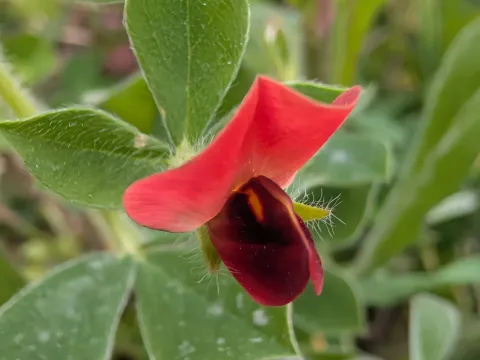
Asparagus pea
Lotus tetragonolobus
The Asparagus pea, scientifically known as Lotus tetragonolobus, is a warm-season annual that requires careful planning for sowing. Seeds should be sown directly in the garden only when the danger of frost has passed and soil temperatures consistently exceed 15 degrees Celsius.
What the section contains
Asparagus pea
In regions with cooler or shorter summers, starting seeds indoors in biodegradable pots 3-4 weeks before the last frost is highly recommended. The plant has a sensitive taproot system that does not tolerate transplanting stress, making peat or paper pots essential.
Spacing is critical for this sprawling plant, which typically reaches 30-50 cm in height. A planting density of 25 cm between plants and 45 cm between rows allows for adequate airflow, which is crucial for minimizing the risk of fungal diseases during the growing season.
Sow the seeds at a depth of 2-3 cm in well-worked soil. Keeping the planting bed consistently moist during the germination period, which usually lasts about 10 to 14 days, is necessary for achieving a uniform stand.
Pre-soaking the seeds in lukewarm water for a few hours prior to planting can help soften the tough outer seed coat and significantly improve overall germination rates for a more successful crop establishment.
As a member of the Fabaceae family, Lotus tetragonolobus thrives in sunny locations with well-draining soil. It is particularly well-adapted to average garden soils but performs best in loamy, nutrient-rich environments with a neutral to slightly alkaline pH.
While the plant is relatively drought-tolerant once established, consistent moisture is vital during the flowering and pod-set phases. A lack of water during these critical growth stages often leads to flower drop and reduced yields.
The plant does not require heavy fertilization, as it is capable of fixing its own nitrogen through a symbiotic relationship with soil bacteria. Excessive nitrogen application should be avoided, as it encourages excessive vegetative growth at the expense of fruit production.
Ensure the planting site is protected from strong, gusty winds, as the branching stems can be brittle and prone to breakage. Providing light support or trellising is not strictly necessary but can help keep the pods clean and easier to harvest.
Warm, stable weather is essential for optimal development. Extreme temperature fluctuations, especially during the bud stage, can inhibit pod formation, making site selection based on heat accumulation an important aspect of successful cultivation.
Aphids and spider mites are the most common pests affecting Asparagus pea. These insects tend to target new, tender growth, particularly during hot and dry spells, and can quickly compromise plant vigor if left unchecked.
Fungal diseases, such as powdery mildew and anthracnose, pose a significant threat in high-humidity conditions. Maintaining proper spacing and ensuring excellent air circulation around the plants are the most effective preventative measures against these pathogens.
Root rot can occur if the soil is poorly drained or stays waterlogged for extended periods. Improving soil structure with organic matter and avoiding over-irrigation are key strategies for maintaining healthy root systems throughout the summer.
Early detection is crucial for managing potential outbreaks. Regular inspections of the foliage and stems allow for targeted interventions using organic soaps or neem oil, which are generally safe for the edible pods of this crop.
Crop rotation should be strictly practiced to prevent the buildup of soil-borne pathogens. Avoid planting Lotus tetragonolobus in beds where other legumes have been grown within the previous two years to ensure optimal plant health.
Harvesting usually begins 60 to 75 days after germination. The pods are at their culinary best when they are young, tender, and reach about 3 to 4 cm in length. Harvesting at this stage ensures a delicate, asparagus-like flavor and texture.
Regular harvesting is vital, as the pods become fibrous and woody very quickly once they reach full size. Picking every two to three days stimulates the plant to continue producing new flowers and pods throughout the season.
Handle the harvested pods gently, as they are susceptible to bruising. Because the pods have a short shelf life, it is recommended to consume them shortly after picking or store them in a perforated plastic bag in the refrigerator for up to 48 hours.
To save seeds for the next season, allow a few pods on the healthiest plants to mature fully. The pods will turn brown, dry out, and become brittle on the vine before they are ready to be shelled for storage.
In the kitchen, the pods are highly valued for their unique winged shape and firm texture. They can be steamed, sautéed, or added to stir-fries, providing a gourmet touch to vegetable dishes while maintaining their shape during cooking.