
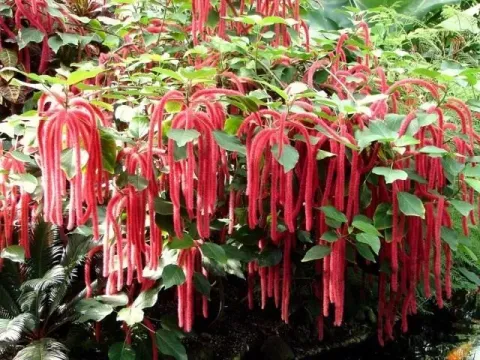
Acalypha carpinifolia
Acalypha carpinifolia
Acalypha carpinifolia is a distinct evergreen shrub belonging to the Euphorbiaceae family. It is recognized for its unique foliage that mimics the shape of hornbeam leaves, making it an interesting addition to tropical and indoor botanical collections.
What the section contains
Acalypha carpinifolia
Originating from the tropical zones of South America, this plant thrives in warm and humid environments. It naturally inhabits the understory of forests, which implies that it prefers filtered light rather than direct, harsh solar exposure during its growth cycle.
Temperature management is crucial for this species; it requires a stable environment typically ranging between 20°C and 25°C. Cold drafts or sudden temperature shifts can lead to leaf drop, stressing the plant and impeding its normal development.
The soil requirements involve a well-draining, nutrient-rich substrate. A mix that retains moisture while providing excellent aeration is essential. It is recommended to use organic-heavy mixes that allow the root system to breathe without becoming waterlogged.
Hydration strategies should focus on consistent soil moisture. Overwatering is a significant risk that leads to root degradation, so drainage must be prioritized. Additionally, the plant benefits from high ambient humidity, which helps maintain the vibrant appearance of its leaves.
Typical pests affecting Acalypha carpinifolia include spider mites and mealybugs, especially in indoor environments where humidity levels might drop. Early detection through regular leaf inspections is the best defense against these infestations.
Fungal pathogens associated with damp conditions and poor air circulation are common issues. Maintaining adequate spacing between plants and ensuring proper soil drainage are key preventative measures to keep the shrub healthy throughout the year.