
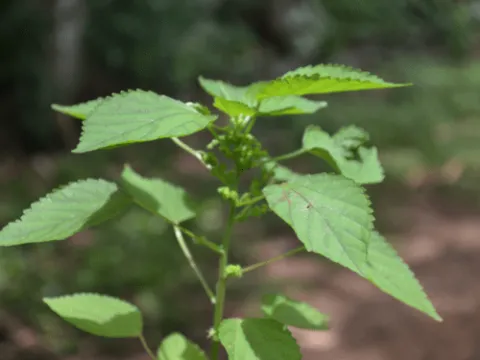
Acalypha boehmerioides
Acalypha boehmerioides
Acalypha boehmerioides is a notable species within the Euphorbiaceae family. In its native tropical habitats, sowing is typically initiated at the onset of the rainy season to ensure sufficient moisture for germination and early growth.
What the section contains
Acalypha boehmerioides
For agricultural purposes, seeds should be sown in a well-draining, nutrient-rich substrate. Given the small size of the seeds, they require shallow sowing to facilitate optimal emergence without exhausting their internal energy reserves.
Temperature control is essential during the germination phase, with an ideal range of 22 to 25 degrees Celsius. Consistent moisture levels in the seedbed are critical for achieving high germination rates within two weeks.
Agronomic practices often involve spacing plants appropriately to prevent overcrowding. Proper aeration is crucial for the development of healthy stalks and ensuring the plant reaches its full potential biomass.
Due to its high regenerative and self-seeding capability, growers must monitor the field closely to prevent the crop from becoming invasive, especially when cultivated in conditions mimicking its natural tropical environment.
The plant thrives in sunny to partial shade locations with loose, well-draining soil. An ideal pH range of 6.0 to 7.5 is recommended, reflecting the conditions found in its natural forest and meadow ecosystems.
Water management is a key factor in successful cultivation. While the plant is drought-tolerant to an extent, consistent irrigation during dry spells promotes better foliage development and overall health.
Temperature sensitivity limits cultivation to tropical and subtropical regions. The plant does not tolerate frost and requires a minimum temperature of 15 degrees Celsius to sustain its vegetative growth cycles.
Soil fertility can be enhanced through the application of balanced nitrogen-based fertilizers. This promotes lush leaf growth, which is often the primary objective for growers harvesting the plant for its various uses.
Maintaining clear field conditions through regular weeding and mulching helps preserve soil moisture and temperature, providing the stability necessary for Acalypha boehmerioides to mature effectively.
Spider mites and aphids are the most common pests affecting this species. They feed on plant sap, leading to stunted growth and damaged foliage, which can significantly reduce the quality of the harvested crop.
Powdery mildew is a frequent fungal threat in high-humidity conditions. Proper spacing and airflow are the best preventative measures, though systemic fungicides can be used if an outbreak occurs.
Root-knot nematodes present a challenge in sandy soil types. Implementing strict crop rotation schedules helps break the life cycle of these pests and maintains soil health for future planting seasons.
Bacterial leaf spots can develop during periods of temperature fluctuation or high humidity. Sanitation protocols, such as the removal of infected plant tissue, are necessary to prevent further spread within the field.
Integrated pest management strategies focusing on biological controls are preferred to ensure the sustainability of the crop and to avoid chemical residues, particularly if the plant is designated for industrial or medicinal use.