
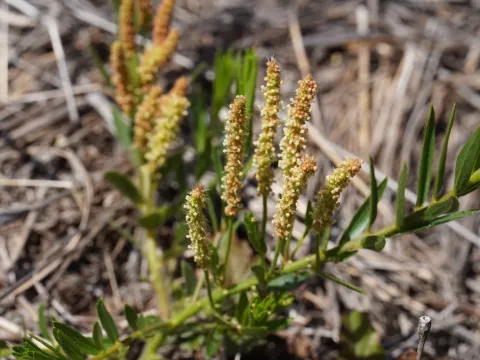
Acalypha caperonioides
Acalypha caperonioides
Acalypha caperonioides is a perennial herb belonging to the Euphorbiaceae family. Native to the southern and tropical regions of Africa, this plant has adapted to specific seasonal growth patterns in its natural habitat.
What the section contains
Acalypha caperonioides
In agricultural practice, sowing is typically initiated in the spring when ambient temperatures are consistently above 20 degrees Celsius. Providing a warm and stable environment is critical for successful germination.
Seeds should be sown in a well-draining, lightweight soil mix. Maintaining a consistent moisture level is vital during the emergence phase, though the medium must never be waterlogged.
Vegetative propagation via cuttings is a common method for ensuring phenotypic consistency. Cuttings are generally harvested from healthy mother plants during the active growth season to ensure rapid root development.
Spacing is a key factor during the planting phase. Adequate distance between individuals allows for proper aeration and light penetration, which are essential for preventing diseases in the foliage.
The plant thrives in bright, indirect sunlight. While it appreciates high light intensity, protection from intense midday sun is necessary in hot climates to prevent leaf scorch and dehydration.
Soil requirements include a fertile, well-draining substrate with a slightly acidic to neutral pH. A balanced soil structure ensures that moisture is retained without compromising root health.
Watering frequency should be adjusted based on the growth cycle. During active vegetative stages, consistent moisture is required, whereas in cooler dormant periods, watering should be reduced significantly.
Nutrient management is essential for optimizing growth. Regular applications of a balanced NPK fertilizer during the growing season support the development of the characteristic foliage and floral spikes.
Pruning is a standard practice in the management of this crop. Regularly trimming the apical buds encourages branching, resulting in a fuller plant structure and increased overall biomass.
Spider mites are among the most persistent pests for Acalypha caperonioides, particularly in environments with low humidity. They can quickly damage leaves, leading to chlorosis and stunted growth.
Mealybugs are another common threat that tends to cluster in leaf axils. These pests extract sap and can cause significant stress to the plant, often leading to secondary fungal infections.
Fungal diseases, such as root rot, frequently result from poor drainage or excessive soil moisture. Proper irrigation management is the primary defense against such pathogens.
The use of systemic pesticides or biological controls is recommended when infestations exceed economic thresholds. It is essential to follow local regulations regarding chemical application on plants.
Preventive maintenance, including the removal of dead leaves and ensuring adequate airflow, significantly reduces the likelihood of pest outbreaks and promotes overall plant vigor.