
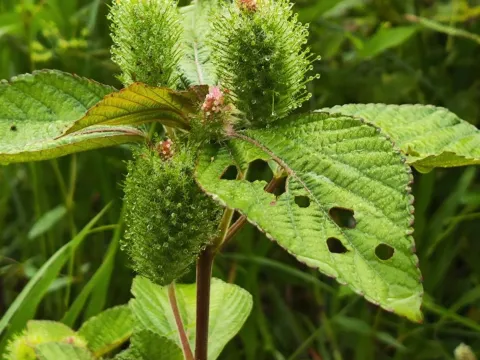
Acalypha arvensis
Acalypha arvensis
Acalypha arvensis is a botanical species belonging to the Euphorbiaceae family. Originating from the tropical regions of Central and South America, it is widely recognized as a fast-growing annual weed that thrives in agricultural fields, particularly within tropical and subtropical cultivation zones.
What the section contains
Acalypha arvensis
The plant requires nutrient-rich, well-draining soil to achieve optimal growth. It is highly adaptive to disturbed habitats, often colonizing plantation margins, open vegetable fields, and sugarcane plantations, where it competes aggressively for water, light, and soil minerals.
Climatic requirements are centered around warm temperatures, typically ranging from 22°C to 30°C. Acalypha arvensis lacks frost tolerance and prefers areas with high annual rainfall or consistent irrigation, allowing for rapid leaf development and frequent flowering cycles.
Botanically, it features simple leaves and small, dense, spike-like inflorescences. Its reproductive strategy relies on the production of a large quantity of small seeds that can remain viable in the soil seed bank for extended periods, complicating eradication efforts.
Agronomic management involves pre-emergence and post-emergence herbicide applications alongside cultural practices like canopy closure and mechanical weeding. Given its rapid life cycle, timely intervention before seed dispersal is essential to prevent long-term field infestation.
Pathogenic threats to this species include various fungal infections, such as powdery mildew and rusts, which occur primarily in high-humidity environments. These pathogens can weaken the plant and reduce its spread in non-agricultural ecosystems.
Pest pressures are predominantly caused by sap-sucking insects like whiteflies and mites. These pests damage the foliage and, more importantly, serve as vectors for various plant viruses, posing a significant risk to the neighboring primary agricultural crops.