
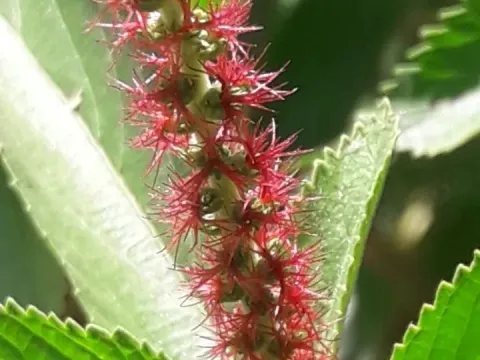
Acalypha
Acalypha L.
Propagation of Acalypha is most commonly carried out by vegetative means through cuttings. The optimal time for rooting green or semi-lignified cuttings falls within the period from February to April.
What the section contains


Acalypha
Seed propagation is used less frequently and requires strict adherence to temperature regimes. Sowing seeds is conducted in early spring, using a light substrate and providing bottom heat to maintain soil temperature at 20–22 degrees Celsius.
When sowing, seeds are distributed in trays with minimal soil coverage and covered with glass or polyethylene film to create a mini-greenhouse effect. Pricking out of seedlings is performed after the emergence of two to three true leaves.
An important factor during sowing is the use of sterile soil based on sand and peat to avoid fungal infections in young plants during the early stages of growth.
After pricking out, seedlings are placed in well-lit areas, but without direct exposure to sunlight, gradually acclimatizing the young Acalypha plants to indoor or outdoor conditions.
Acalypha belongs to the Euphorbiaceae family and grows naturally in tropical zones of Asia, Africa, and Australia. This plant requires consistently high temperatures and protection from cold drafts.
The culture has moderate soil requirements: the substrate must be loose, nutrient-rich, and possess a slightly acidic reaction. Excellent drainage is essential, as waterlogging is detrimental to the root system.
The plant is highly photophilous; however, when grown under intense solar stress, it requires shading, otherwise the ornamental leaves may suffer burns or lose their vibrant color.
Air humidity plays a key role in the development of Acalypha. Optimal levels should be above 60%, so in dry environments, regular misting or the use of humidifiers is necessary.
Watering must be regular and abundant during the active growing season. However, in autumn and winter, when the plant enters a dormant period, the intensity of irrigation should be significantly reduced to prevent rot.
The primary threat to Acalypha comes from pests typical of tropical plants in protected environments. The most common attacker is the spider mite, which thrives in conditions of low humidity.
Mealybugs are another common pest that extracts sap from stems and leaves. Upon detection of colonies, immediate treatment with systemic insecticides is required.
Scale insects can infest stems, slowing down plant growth and causing yellowing of the leaf blades. Regular inspection of the undersides of the leaves allows for early detection of the problem.
Fungal diseases, such as root rot, arise exclusively due to improper watering practices and the use of overly dense, heavy substrates that lack proper aeration.
To combat diseases and pests, it is vital to maintain cultivation hygiene: remove dead plant parts, maintain optimal humidity, and perform regular preventive check-ups.