
Eriocaulon transvaalicum
Eriocaulon transvaalicum
Description
Growing requirements
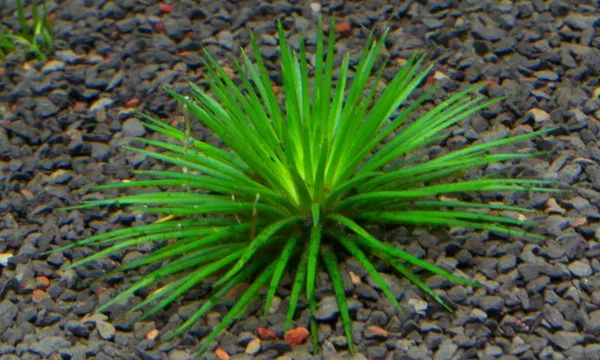
Eriocaulon transvaalicum is a perennial herbaceous plant belonging to the family Eriocaulaceae. Native to the tropical and subtropical regions of the African continent, particularly the Transvaal area, it naturally thrives in marshy environments and along the edges of permanent bodies of water.
The plant is defined by a dense rosette of stiff, needle-like foliage and slender scapes that support small, globose flower heads. Its botanical structure is adapted to high-moisture conditions, making it a specialized species within its genus.
Cultivation of this species requires strict adherence to environmental parameters, particularly in terms of light intensity and water quality. It flourishes best under high-intensity, full-spectrum lighting conditions, which are essential for maintaining its structural integrity.
Soil and water requirements are critical: the species prefers soft, slightly acidic water with a consistent supply of carbon dioxide. The substrate should be fine-grained and rich in micronutrients to support its delicate root system without promoting root rot.
Its primary commercial use is within the professional aquarium industry, where it is highly prized for its unique, ornamental appearance. It is typically used as a foreground plant in complex aquascaping designs that mimic natural tropical riverbanks.
Main diseases and pests
Fungal pathogens and bacterial infections are the most common threats to Eriocaulon transvaalicum, especially when the water circulation is insufficient. Poor water flow often leads to the accumulation of organic debris, which quickly triggers decay in the base of the rosette.
Invertebrate pests, such as certain aquatic larvae, can damage the succulent tissues of the leaves. Maintaining a stable environment and ensuring proper nutrient balance is the most effective way to prevent these biological threats and maintain the plant in a healthy condition.