
Eriocaulon thwaitesii
Eriocaulon thwaitesii
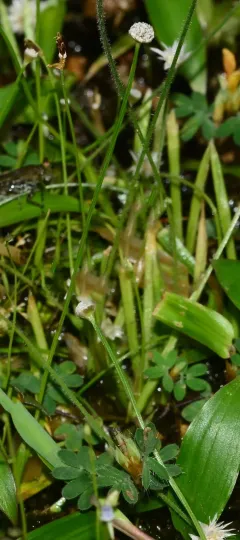
Description
Growing requirements
Eriocaulon thwaitesii is a distinct plant species belonging to the Eriocaulaceae family. It is a highly specialized hydrophyte that originates from the tropical regions of Asia, typically found in wet, nutrient-poor environments.
The plant exhibits a characteristic rosette-like growth habit with narrow, dense leaves. Its biological structure is adapted to maximize nutrient uptake from the substrate while tolerating immersion in aquatic or semi-aquatic habitats.
Successful cultivation requires soft, slightly acidic water with minimal mineral content. Maintaining a low GH and KH level is essential to prevent physiological stress and leaf tissue deterioration.
High-intensity lighting is crucial for the photosynthesis of Eriocaulon thwaitesii. Growers typically provide 8–10 hours of full-spectrum light daily to maintain the characteristic compact, healthy green appearance.
Commercially, it is highly sought after by botanical enthusiasts and aquascapers for its rarity and aesthetic appeal. However, it remains one of the most challenging plants to maintain in domestic settings.
Main diseases and pests
The primary threat to Eriocaulon thwaitesii is nutrient imbalance within the substrate. Excessive accumulation of nitrogenous compounds or heavy metals can rapidly damage the delicate root system, leading to decay.
Algal blooms pose a significant risk to the plant's health. Filamentous algae can smother the rosette, preventing light absorption and inhibiting the exchange of gases necessary for respiration.
Improper pH management is another critical factor. Fluctuations towards alkalinity can cause micro-nutrient deficiency, resulting in severe chlorosis and stunted growth throughout the plant structure.
In greenhouse conditions, the plant is susceptible to fungal infections if humidity is too high and air circulation is stagnant. Ensuring constant but gentle airflow is necessary for disease prevention.
Infestation by pests is generally minimal, but root-feeding nematodes or small soil-dwelling insects can sometimes cause irreversible damage to the lower part of the plant, weakening the structural integrity.