
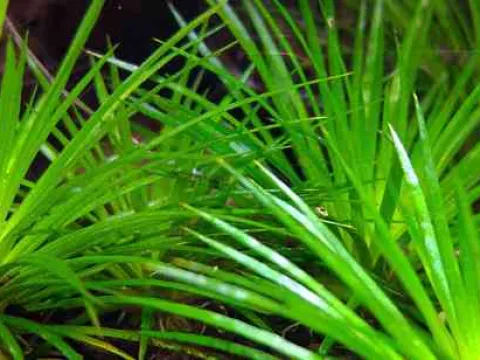
Eriocaulon cristatum
Eriocaulon cristatum
The propagation of Eriocaulon cristatum in controlled environments is typically achieved through rhizome division or the separation of young daughter rosettes. As this species rarely reproduces by seed in agricultural settings, vegetative propagation remains the most effective method for maintaining populations.
What the section contains
Eriocaulon cristatum
The optimal time for propagation occurs during the phase of active vegetative growth, when the parent plant has developed a strong root system and possesses enough stored nutrients to support the survival of the separated daughter plants.
In professional nurseries, it is essential to transplant separated sections into a suitable nutrient-rich substrate immediately. Delaying this process often results in a rapid loss of turgor pressure, as the plant is highly sensitive to desiccation and fluctuations in humidity.
While root growth stimulants may be used, they must be applied with extreme caution, as Eriocaulon species are highly sensitive to chemical imbalances in their aquatic environment. Fresh, nutrient-dense soil is generally preferred for successful establishment.
Newly propagated plants require stable water temperatures and moderate light exposure during the initial weeks until new root development is confirmed, ensuring a steady transition into the independent growth phase.
Eriocaulon cristatum, a member of the Eriocaulaceae family, is a perennial aquatic or semi-aquatic plant. Native to the tropical and subtropical regions of Asia, it is primarily found in wetland habitats characterized by acidic and nutrient-poor soils.
The plant requires soft, low-mineral water to thrive; high carbonate hardness inhibits nutrient uptake and can cause stunted growth. The substrate must be fine-grained, nutrient-dense, and maintained at a consistently acidic pH level.
High-intensity lighting is crucial for the development of Eriocaulon cristatum. The plant requires a long photoperiod to simulate tropical sun conditions; without sufficient light, the rosette loses its compact shape, and the leaves become brittle and pale.
Continuous carbon dioxide injection is a mandatory requirement in artificial cultivation systems. Proper CO2 levels are necessary to drive the intense photosynthesis required for the plant to maintain its structural integrity and metabolic processes.
Water temperatures should be maintained between 22 and 26 degrees Celsius. Temperatures exceeding 28 degrees can trigger metabolic distress, leading to root decay and the eventual collapse of the plant's biological structure.
The primary threat to Eriocaulon cristatum is the development of pathogenic fungi and bacteria within the substrate, which typically occurs when the soil becomes anaerobic due to a lack of water circulation or excessive accumulation of organic matter.
Algal blooms on the leaf surface pose a significant risk to the plant. By blocking sunlight and competing for nutrients, algae can rapidly suppress the growth of the Eriocaulon, leading to starvation and eventual tissue necrosis.
Nutrient deficiencies, particularly involving iron and other essential micronutrients, manifest as chlorosis. If left uncorrected, these deficiencies compromise the plant's immunity, making it more susceptible to opportunistic infections and environmental stress.
Physiological degradation, often called "melting," occurs in response to drastic changes in water parameters, such as sudden shifts in pH or nutrient concentrations. This is not a pathogen-based disease but a failure of the plant to adapt to rapid environmental changes.
Preventive care involves frequent water changes and the maintenance of a clean, well-oxygenated substrate. By removing excess organic detritus, the risk of pathogen outbreaks is significantly reduced, ensuring the health and longevity of the culture.