
Eriocaulon buergerianum
Eriocaulon buergerianum
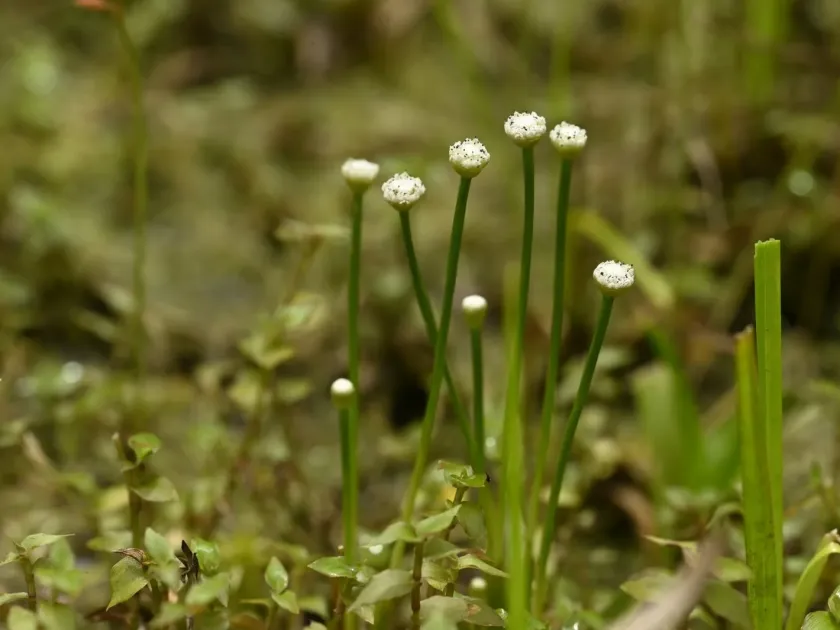
Description
Growing requirements
Eriocaulon buergerianum is a perennial herbaceous plant belonging to the Eriocaulaceae family. It is widely recognized for its compact, rosette-forming growth habit, making it a highly sought-after species for specialized aquatic environments.
The plant originates from the wetlands and marshy areas of East Asia, including Japan, China, and Korea. In its native habitat, it thrives in acidic soil conditions with consistent moisture levels, reflecting its need for specialized care in an artificial environment.
Successful cultivation of this species depends heavily on providing high-intensity lighting and high-quality soft water. The use of CO2 injection is vital to support the plant's metabolic rates, which are significantly higher than those of typical low-light plants.
Soil requirements include a rich, acidic substrate that is capable of nutrient buffering. The temperature should be maintained between 20°C and 26°C, as extreme fluctuations can cause the plant to enter a state of dormant growth or stress.
Horticulturally, this plant is used extensively in high-end aquascaping to provide texture and contrast. It is also documented in traditional botanical studies for its unique floral structure, which is typical for the Eriocaulon genus.
Main diseases and pests
The most significant threat to Eriocaulon buergerianum is root rot, usually caused by poor substrate circulation and accumulated organic waste. Maintaining a clean substrate is essential for the health of its delicate root system.
Algae infestations often occur when the balance between lighting and nutrient levels is disrupted. Epiphytic algae on leaves can quickly suffocate the plant, preventing it from obtaining necessary light for photosynthesis.
Snails and certain aquatic pests can damage the foliage by consuming the leaf tissue. This physical damage weakens the plant, making it highly susceptible to secondary bacterial infections that spread through the rosette.
Nutrient deficiencies, particularly involving iron and trace elements, often manifest as chlorosis. While not an immediate death sentence, prolonged malnutrition leads to stunted growth and a significant loss of color and vitality.
Improper water chemistry, specifically high hardness (GH) levels, can lead to irreversible growth stagnation. The species requires soft water conditions to prevent mineral salt buildup on the leaves, which hinders nutrient absorption.