
Eriocaulon atrum
Eriocaulon atrum
Description
Growing requirements
Eriocaulon atrum is a member of the Eriocaulaceae family, naturally occurring in humid and swampy habitats within tropical regions. This species is highly valued for its distinct dark coloration and rosette-forming growth habit.
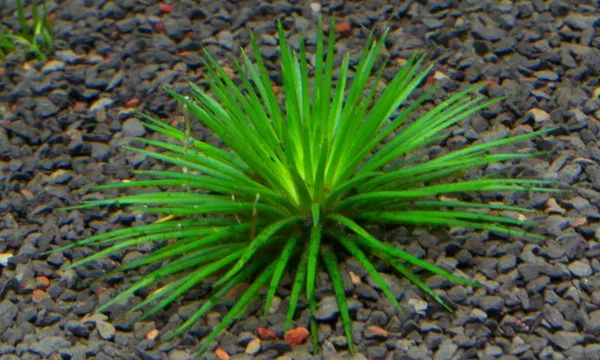
The plant grows as a perennial herb, featuring stiff, needle-like leaves arranged in a dense rosette. In controlled environments, such as high-end aquatic displays, it requires very specific conditions to thrive and maintain its unique visual appeal.
Success in cultivating this species depends heavily on the substrate quality. A nutrient-rich, acidic soil that allows for efficient root aeration is essential, as the plant relies heavily on nutrient uptake through its specialized root system.
Lighting requirements are strict; high-intensity light is necessary to prevent the plant from etiolating and to preserve the deep, dark pigmentation of the foliage. Proper light spectrum ensures healthy photosynthesis.
Water chemistry must be carefully managed. Soft water with low total dissolved solids (TDS) and a stable pH level between 6.0 and 6.8 is required, along with consistent CO2 supplementation for optimal development.
Main diseases and pests
The primary threat to the health of Eriocaulon atrum is a sudden shift in water parameters, which can cause the plant to stop growing and eventually lead to complete necrosis.
Algal blooms pose a significant risk, as algae can easily overgrow the slow-growing rosette leaves, effectively choking the plant and blocking necessary light absorption.
Iron deficiency is a common physiological issue, resulting in chlorosis where the leaves lose their dark color and become brittle, significantly impacting the plant's aesthetic and health.
Poor substrate maintenance can lead to anaerobic conditions around the roots, causing root rot. Once the root system is compromised, the plant is extremely difficult to revive.
Invertebrate pests or excessive grazing by aquarium fauna can damage the delicate central meristem of the rosette, preventing the formation of new leaves and leading to irreversible stunting.