
Eriocaulon brownianum
Eriocaulon brownianum
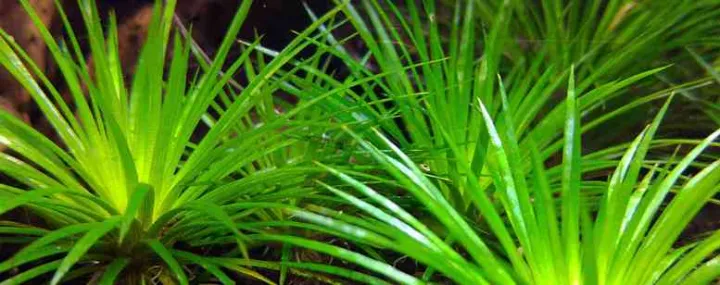
Description
Growing requirements
Eriocaulon brownianum is a perennial aquatic plant belonging to the Eriocaulaceae family. It is highly regarded in specialized greenhouse and hydroponic agriculture for its unique morphological structure and aesthetic value.
The species originates from tropical areas of Asia, where it thrives in wetlands and riparian habitats. In modern agricultural practice, it is strictly grown in controlled environments simulating its natural aquatic ecological niche.
The botanical structure consists of a basal rosette of needle-like leaves, which develop from a condensed stem. The root system is robust and serves as the primary mechanism for nutrient uptake from the substrate, which must be nutrient-dense.
Agricultural success depends on providing high-intensity lighting and supplemented carbon dioxide (CO2). The irrigation water or growing medium must maintain a soft profile with a pH between 6.0 and 6.8 to ensure optimal mineral availability.
Temperature management is critical for the developmental cycle of the plant. Maintaining a stable temperature range between 22 and 28 degrees Celsius ensures continuous metabolic activity and prevents structural decline.
Main diseases and pests
The primary threat to the stability of the crop is the increase in water hardness. Excessive mineral content leads to stunted growth and damage to the delicate root system, often resulting in permanent plant loss.
Bacterial and fungal infections in the substrate are typically caused by insufficient flow or poor oxygenation of the root zone. This creates anaerobic conditions that facilitate the growth of harmful pathogens.
Competition from unwanted algae remains a constant challenge in aquatic cultivation. These organisms compete for light and nutrients, significantly hindering the growth rate and development of the Eriocaulon rosette.
Herbivory by various aquatic snails can inflict damage on young leaf tissue, creating entry points for secondary infections. Integrated pest management techniques, including biological or mechanical controls, are necessary.
Consistent monitoring of nutrient concentrations in the growing media is essential. A deficiency in trace minerals, particularly iron, will manifest as chlorosis and eventual necrosis of the older leaves.