
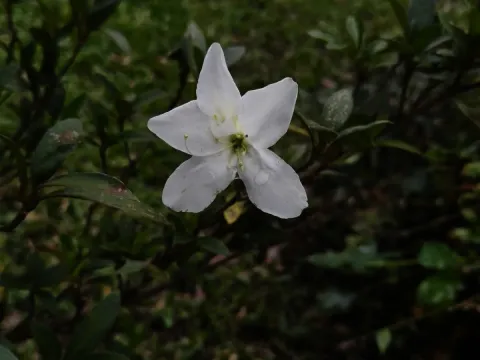
Snow Azalea
Rhododendron mucronatum
Rhododendron mucronatum, commonly known as the Snow Azalea, is a semi-evergreen shrub belonging to the Ericaceae family. Originating from Japan and parts of East Asia, this species is highly valued for its striking white flowers and elegant growth habit in forest-edge ecosystems.
What the section contains
Snow Azalea
The plant requires acidic soil conditions with a pH level between 4.5 and 5.5 to thrive. It performs best in organic-rich, well-draining substrates that retain moisture while preventing waterlogging, which is essential for protecting its sensitive, shallow root system.
Regarding climate, the Snow Azalea prefers temperate regions with high atmospheric humidity. It is best situated in partial shade, where it is shielded from the intense afternoon sun, which can scorch the leaves and desiccate the root zone if the soil is not properly mulched.
Agrotechnical practices must prioritize the use of lime-free, soft water for irrigation. Alkaline water accumulation in the root zone quickly leads to iron chlorosis, manifesting as yellowing leaves and stunted growth, eventually weakening the plant's overall structural integrity.
Mulching is a fundamental requirement for this species. Applying a thick layer of pine needles or peat moss every season helps regulate soil temperature, suppress weeds, and maintain the precise acidity levels necessary for optimal nutrient uptake.
Fungal diseases are a primary concern, with Phytophthora root rot being the most lethal. This usually stems from poor drainage or overwatering. Maintaining good site selection and avoiding heavy, compacted soils is the best preventative strategy for any grower.
The Azalea lace bug is a significant pest that infests the underside of leaves, causing silvery stippling and eventual leaf drop. Integrated pest management, including the use of horticultural oils and systemic insecticides, is necessary to maintain foliage health.
Spider mites can become problematic during hot, dry summer months. These pests thrive in dry environments and can cause severe damage if left untreated. Regular misting and the application of miticides help control their populations during the growing season.
Botrytis blight, or gray mold, can affect the flowers and buds during prolonged rainy periods. Sanitation is crucial; removing spent flowers and debris minimizes the spread of fungal spores throughout the shrub, keeping the plant visually appealing.
Overall plant vitality is heavily dependent on winter protection in colder zones. Protecting the root ball from freezing temperatures using burlap or heavy mulch ensures that the plant emerges healthy and vigorous, ready for the next spring bloom cycle.