
Deciduous Rhododendron
Rhododendron deciduous
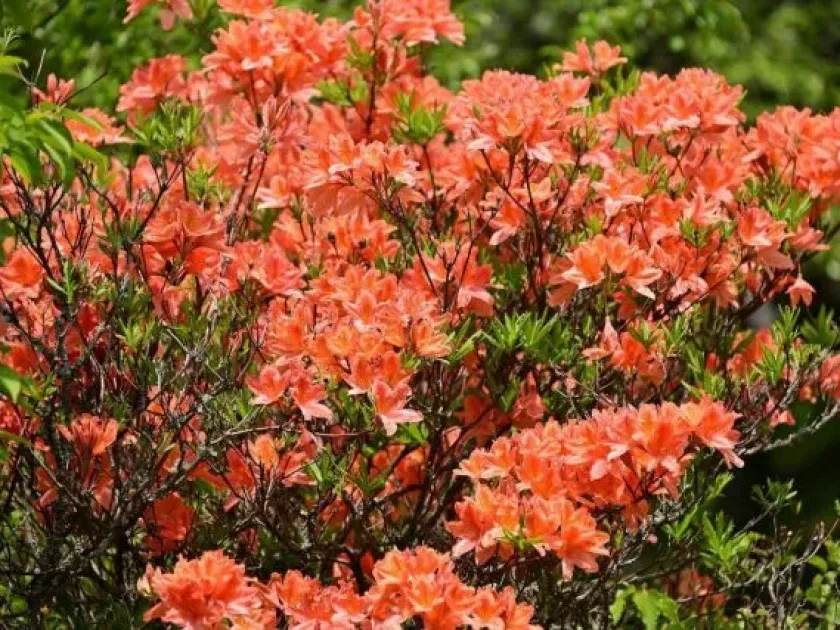
Description
Growing requirements
Deciduous rhododendrons belong to the Ericaceae family and are distinguished by their habit of shedding leaves annually, which allows them to withstand colder climates.
These shrubs originate from temperate regions across Asia and North America, thriving in locations that offer dappled sunlight and cool, moist atmospheric conditions.
The success of this culture strictly depends on soil conditions, specifically requiring highly acidic, well-draining, and organic-rich growing media.
Proper site selection is crucial; the plant performs best in locations protected from harsh winds and intense afternoon sun, which can dehydrate the foliage quickly.
Gardeners must ensure consistent moisture levels, as these plants possess fine, fibrous root systems that are highly sensitive to both drought and waterlogging.
Main diseases and pests
Fungal infections, such as Phytophthora root rot, represent the most significant threat, usually caused by improper soil drainage or excessive stagnant moisture.
Leaf spots caused by various fungi can diminish the plant's aesthetic value and, if left unchecked, may cause premature defoliation during the growing season.
Common pests like azalea lace bugs and spider mites are frequent invaders that target the undersides of the leaves, weakening the plant through sap extraction.
- Monitor leaf discoloration regularly.
- Apply dormant oil sprays if pests are detected.
- Use systemic fungicides for severe fungal outbreaks.
Integrated pest management, including pruning affected branches and maintaining plant vigor through proper fertilization, is the best strategy for control.