
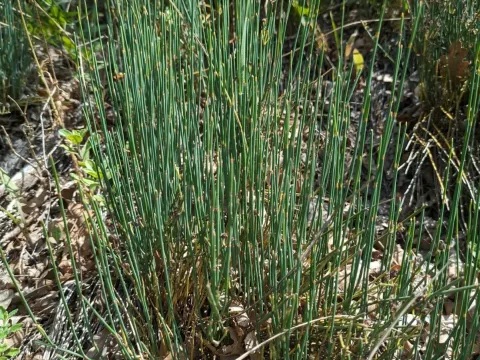
Ephedra negrii
Ephedra negrii
Sowing of Ephedra negrii is primarily conducted in spring when the soil warms up to 10–12 degrees Celsius. Ensuring a stable temperature regime is critical for the successful stratification of seeds, which require a specific dormancy period before germination.
What the section contains
Ephedra negrii
Ephedra seeds have a low percentage of natural germination, so scarification or soaking in growth stimulants is recommended prior to sowing. Seeds should be planted at a depth of no more than 1–1.5 centimeters in a prepared light substrate.
In commercial operations, seeds are sown in rows with spacing of up to 45–60 centimeters to provide sufficient room for shrub development. After sowing, the plot must be rolled to ensure firm contact between the seeds and soil moisture.
When using the seedling method, sowing in containers should be done 2–3 months before field planting. This allows for better control of humidity and light levels during the most vulnerable development phase of the young ephedra shoots.
The optimal time for transplanting established seedlings is during a period of stable warmth, avoiding the risk of late spring frosts. The plant is extremely sensitive to root damage, so the "transplanting with a soil ball" method is recommended.
Ephedra negrii is a xerophytic subshrub of the Ephedraceae family, adapted to the harsh conditions of high-altitude and desert zones. It requires well-drained sites, as waterlogging is detrimental to the plant's roots.
Best cultivation results are achieved in light sandy or rocky soils with a neutral or slightly alkaline pH. The plant demonstrates high tolerance to soil nitrogen deficiency but responds positively to applications of phosphorus-potassium fertilizers.
The plant is light-loving, so open sites with full sun exposure should be chosen for industrial cultivation. Shading leads to leggy shoot growth and a significant reduction in the concentration of bioactive compounds in the plant tissues.
Climatic requirements include high insolation levels and tolerance to sharp daily temperature fluctuations. Ephedra can survive long droughts thanks to a deep root system that reaches deep aquifers.
During the first two years of life, the plant requires weeding and control of invasive species, as ephedra grows slowly in its initial phase. Mature bushes are highly competitive and require almost no additional maintenance.
The economic efficiency of ephedra is evaluated by the mass of dry plant raw material containing alkaloids, specifically ephedrine and pseudoephedrine. Yield depends on the plantation age, reaching its peak at the 4th to 6th year of vegetation.
Green mass harvesting is performed in dry weather, cutting no more than 30–40% of the plant's aerial part to avoid damaging the bush. Annual shoot growth is modest, so intensive plantation use requires strategic plot rotation.
Total biomass per hectare can vary significantly depending on rainfall and mineral nutrition. It is important to note that excessive nitrogen stimulation can lower the quality of the medicinal raw material.
After harvesting, the material must be dried immediately in the shade with good ventilation. Proper drying preserves the chemical composition and commercial quality for further pharmaceutical processing.
Standardization of the product requires controlling the moisture content to below 12%, ensuring long storage without losing pharmacological value. Dry matter yield is approximately 25–30% of the volume of freshly harvested material.
The main threats to ephedra plantations are fungal diseases caused by excessive moisture. Root rot is the most common issue when cultivation techniques are violated on heavy, poorly draining soils.
Among pests, sucking insects such as aphids and spider mites, which feed on the cellular sap of young twigs, can cause the most damage. Monitoring pest populations is necessary during the spring onset of active vegetation.
The plant is susceptible to rust fungi, which manifest as spots on the epidermis. For control, preventive spraying with copper-based fungicides is recommended at the first signs of infection.
Under high humidity, mold may develop on old woody branches, necessitating timely sanitary pruning. Removing infected plant parts helps halt the spread of the infection within the plantation.
An important element of protection is adhering to crop rotation and avoiding overly dense plantings. Proper air circulation between plants naturally reduces the risk of epiphytotics and pest infestations.