
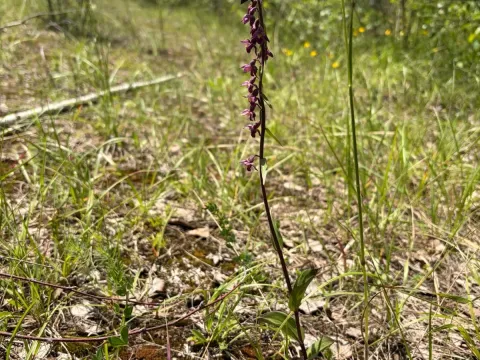
Epipactis subclausa
Epipactis subclausa
Epipactis subclausa is a perennial herbaceous plant belonging to the Orchidaceae family. It is a specialized species known for its specific ecological requirements in the wild.
What the section contains
Epipactis subclausa
This species is not utilized in industrial agriculture or food production. It is primarily a subject of botanical study and conservation efforts within its native mountainous forest ranges.
The plant thrives in shaded or semi-shaded environments with high air humidity and well-drained, humus-rich soil, often found in Mediterranean forest understories.
Botanically, it features an erect stem and lanceolate leaves. The flowers are characterized by a partially closed labellum, which gives the species its specific name and influences its pollination mechanism.
Symbiosis with mycorrhizal fungi is essential for the plant's development throughout its life cycle, making cultivation outside its natural habitat extremely difficult and usually unsuccessful.
The primary threat to Epipactis subclausa is habitat destruction resulting from deforestation, land development, and changes in local climatic conditions.
Climate change poses a risk to the specific micro-climates this species relies on, particularly concerning the stability of soil moisture levels during the growing season.
Fungal pathogens and root rot can become critical issues if the soil becomes waterlogged, which disrupts the delicate balance between the orchid and its symbiotic fungal partners.
Overcollection by enthusiasts is a significant concern for small, localized populations, leading to further fragmentation and loss of genetic diversity.
Invasive species competing for space and light in forest ecosystems pose a secondary, yet persistent, threat to the survival of these orchids in their native regions.