
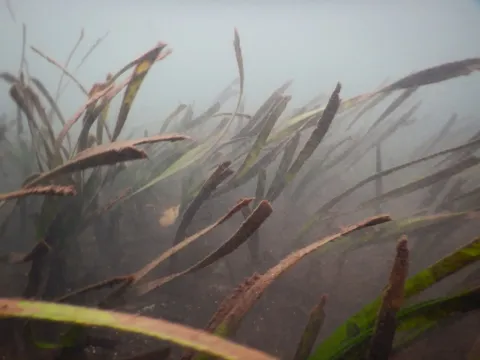
Enhalus acoroides
Enhalus acoroides
Enhalus acoroides is the sole species within the genus Enhalus, belonging to the family Hydrocharitaceae. This plant is a long-lived seagrass that inhabits shallow coastal regions throughout the tropical Indo-Pacific seas.
What the section contains
Enhalus acoroides
The culture thrives in shallow areas with soft muddy or sandy substrates, where it forms dense, extensive meadows. A critical requirement for optimal growth is high water clarity, which ensures a sufficient light level for photosynthesis.
The plant features a robust rhizome covered in tough, coarse fibers that anchor it into the seafloor, even during strong tidal currents. Its ribbon-like leaves can grow over a meter in length, making it a key structural component of coastal ecosystems.
The optimal water temperature for active growth ranges between 25 and 30 degrees Celsius. While it can tolerate minor fluctuations in salinity, it performs best in stable, clear marine environments.
In its natural habitat, Enhalus acts as an ecosystem engineer by filtering water, stabilizing bottom sediments, and providing essential shelter for numerous marine invertebrates and juvenile fish species.
Traditional use of Enhalus acoroides involves the collection of fruits and seeds, which are consumed boiled or roasted. The seeds are rich in starch and serve as a supplemental food source for local communities.
In various regions of Southeast Asia, the tough fibers of the rhizomes are utilized for weaving fishing nets or durable ropes due to their high mechanical strength. Harvesting must be managed sustainably to ensure the long-term viability of the population.
Scientific interest in this species is growing within the context of mariculture. Research focuses on using this seagrass to restore degraded seabed areas and mitigate coastal erosion effectively.
Artificial propagation methods involve planting rhizome fragments into prepared seafloor plots. This process requires careful monitoring of water quality and the protection of young shoots from herbivorous organisms.
Harvesting fruits requires strict adherence to seasonal and biological cycles, as flowering and seed maturation are closely tied to lunar phases and tidal cycles, which govern underwater pollination processes.
The primary threats to Enhalus populations include anthropogenic pollution and eutrophication. Increased water turbidity blocks sunlight, preventing the growth of the seagrass and eventually leading to the death of entire meadows.
Bottom trawling and the use of destructive fishing gear have severe impacts on these benthic communities. Such activities mechanically damage the root system, requiring years or even decades for full ecosystem recovery.
Climate change, manifesting as rising ocean temperatures, induces thermal stress in seagrasses. This physiological stress makes the plants significantly more susceptible to pathogens and the spread of various infectious diseases.
Although Enhalus is resilient to most natural pests, overgrazing by marine megaherbivores such as sea turtles or dugongs can lead to local resource depletion if the seagrass meadows are already fragmented.
Protecting this culture necessitates rigorous monitoring of coastal zones and the prevention of untreated industrial or agricultural runoff into marine environments to maintain ecological balance.