
Ephedra fragilis
Ephedra fragilis
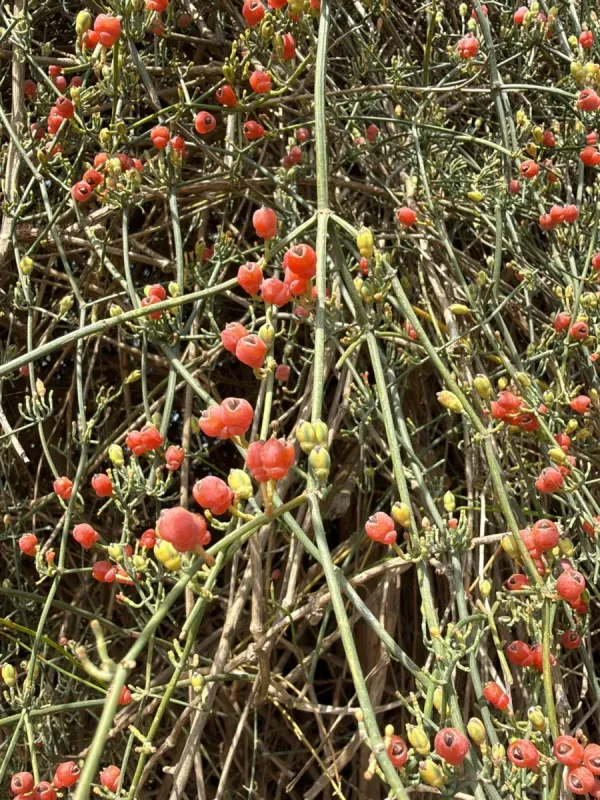
Description
Sowing dates
The propagation of Ephedra fragilis is typically performed through seeds sown in early spring when the soil temperature consistently exceeds 10 degrees Celsius.
For optimal germination rates, seeds require a period of stratification in moist, cool conditions before being introduced to a nursery substrate.
Seeds should be covered with a thin layer of fine soil or sand, as they are sensitive to depth and may fail to sprout if buried too deeply.
Vegetative propagation via cuttings is a common practice in specialized nurseries, using semi-hardwood stems harvested during the late summer months.
Initial growth is slow, and young plants must be protected from extreme elements until they have developed a robust root system capable of independent survival.
Growing requirements
Ephedra fragilis is a member of the Ephedraceae family, naturally occurring in arid and semi-arid Mediterranean environments with rocky terrain.
This species demands excellent drainage and thrives in porous, sandy, or rocky soils, as it is highly susceptible to root decay caused by waterlogging.
It is a sun-loving plant that requires maximum exposure to direct sunlight to maintain its structural integrity and metabolic chemical activity.
The plant is adapted to drought and requires minimal supplemental irrigation, provided that the soil profile allows for deep moisture penetration.
Tolerance to salinity and mineral-rich soils is a defining characteristic of this species, making it suitable for areas where other crops might fail.
Yield
The yield of Ephedra fragilis consists of aerial stems, which are harvested to extract active alkaloids used in pharmaceutical and industrial applications.
Annual yields are relatively low due to the slow-growth nature of the shrub, requiring long-term planning for commercial production sites.
Harvesting should be selective, removing only the green annual growth and allowing the older, woody structure to remain for continued photosynthesis.
Maximum alkaloid content is usually achieved in mature specimens that have experienced several years of high solar radiation and low precipitation.
Yield management requires careful monitoring of the plant's recovery rate to ensure that frequent harvesting does not cause irreversible decline in biomass.
Main diseases and pests
Fungal pathogens represent the most significant threat to Ephedra fragilis, particularly when high humidity is combined with poor airflow.
Root rot is the primary cause of mortality in cultivated crops, often triggered by the accidental accumulation of stagnant water in the root zone.
Pests such as mites and certain sap-sucking insects may colonize the stems, especially in stress-prone environments with high ambient temperatures.
Effective management involves preventive measures like spacing the plants adequately to encourage natural ventilation and dry conditions.
The use of synthetic pesticides is generally discouraged, as the residues may compromise the pharmaceutical quality of the harvested aerial parts.
Harvesting
The harvesting process should be executed during a period of dry, stable weather to prevent fungal proliferation in the gathered raw material.
Stems are removed using clean, sharp blades, and immediate sorting is required to separate woody, useless biomass from the pharmacologically active parts.
Drying must occur promptly in well-ventilated, shaded areas to ensure the degradation of sensitive compounds is kept to an absolute minimum.
The material should be stored in containers that prevent light exposure and moisture uptake, ensuring the long-term stability of the botanical product.
Quality control post-harvest focuses on measuring the alkaloid concentration to ensure it meets the commercial standards required by the industry.