
Intermediate ephedra
Ephedra intermedia
Description
Growing requirements
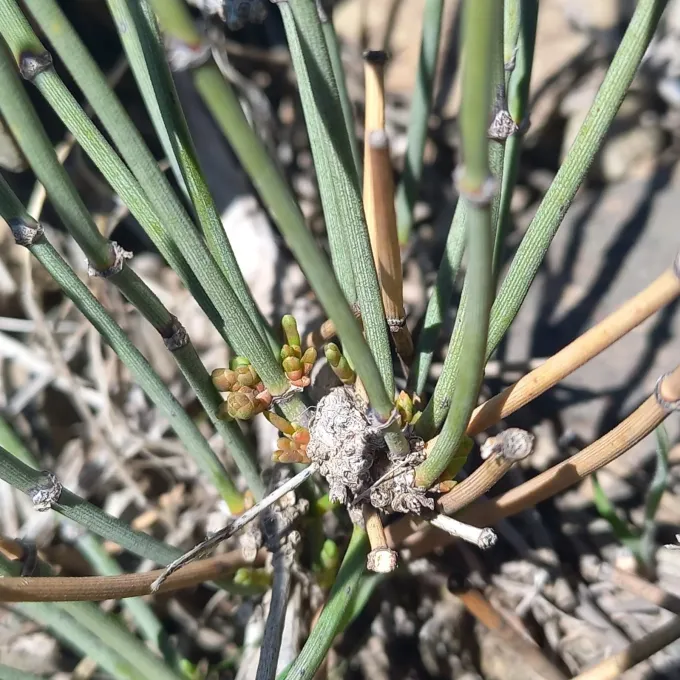
Intermediate ephedra (Ephedra intermedia) is a perennial evergreen shrub belonging to the Ephedraceae family. The plant is easily recognized by its jointed, slender green stems that perform photosynthesis, while true leaves are reduced to small scales at the nodes.
Originating from the arid regions of Central Asia, this species is highly adapted to extreme environments. It thrives in stony, sandy, and well-drained soils, often occupying slopes where other vegetation struggles to survive due to nutrient scarcity and lack of moisture.
The climatic requirements of this crop are defined by its exceptional cold hardiness and drought tolerance. Cultivation sites must be chosen with excellent sunlight exposure and superior soil aeration, as stagnant water is the primary cause of plant death in commercial settings.
Agronomic management involves minimal irrigation once the plants are established. Fertilization should be handled with caution, as high levels of nitrogen may result in rapid but weak growth, potentially reducing the concentration of active alkaloids within the stem tissue.
The primary agricultural interest in Ephedra intermedia is its medicinal use. The plant is a concentrated source of alkaloids, which are extracted for pharmaceutical purposes. Because of its pharmacological potential, cultivation is often subject to strict regulatory oversight and specialized licensing.
Main diseases and pests
The crop is generally resilient to many pests, but it remains susceptible to fungal root diseases, particularly Fusarium wilt, if drainage is inadequate. Ensuring that the soil structure remains loose and aerated is the most effective preventative measure against such infections.
Insect pests, including aphids and various scale insects, can occasionally infest young shoots. Careful monitoring is advised, and if control is necessary, practitioners should prioritize biological control agents to ensure the purity of the medicinal raw material.