
Ephedra strobilacea
Ephedra strobilacea
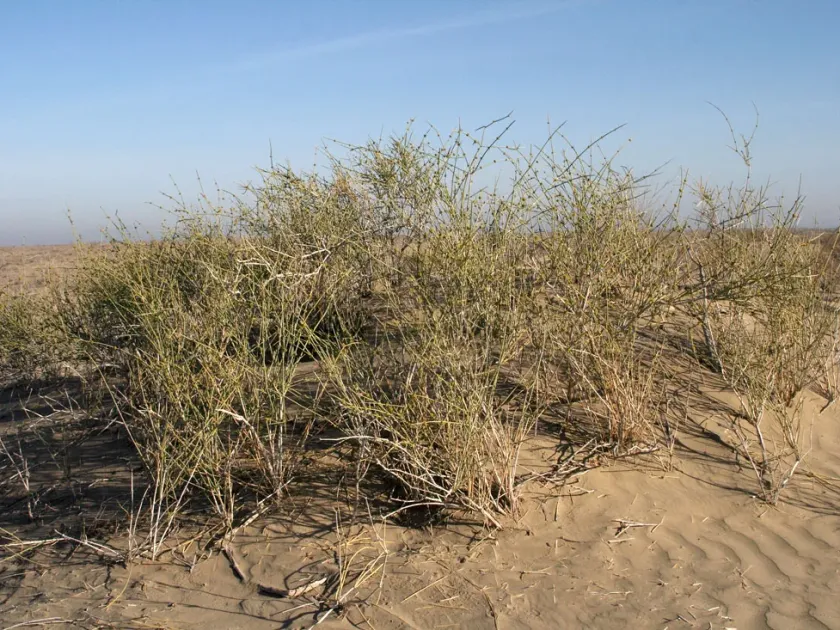
Description
Sowing dates
The sowing of Ephedra strobilacea seeds is typically conducted during the autumn period or early spring after the seeds undergo a mandatory stratification process. To increase germination rates, seeds require pre-treatment to simulate natural conditions, as the plant primarily propagates through self-seeding in its native habitat.
For commercial cultivation, a seedling method is preferred as it ensures uniform planting density across the plantation. Seeds are sown in a nutrient-rich substrate in controlled environments where temperature stability is maintained for successful germination.
The planting depth is a critical factor and should not exceed 1–2 centimeters to ensure that the emerging sprouts have enough energy to break through the surface. The substrate must be light, sandy, and possess excellent drainage properties to prevent seed rot during the early stages.
The transplantation of hardened seedlings into open ground is performed once they reach the 3–4 true leaf stage. The optimal time for transplanting is when the weather has stabilized and the risk of frost has passed completely.
The planting scheme must take into account the perennial nature of the crop and the expansion of the root system. It is recommended to maintain a spacing of 70–100 centimeters between rows, which facilitates subsequent field management and potential mechanized harvesting.
Growing requirements
Ephedra strobilacea belongs to the Ephedraceae family and is a xerophytic shrub adapted to the harsh conditions of arid regions. The primary requirement for its successful growth is exposure to full sunlight throughout the entire growing season.
The plant exhibits exceptional drought and heat tolerance, making it a viable candidate for cultivation in poor, sandy, or rocky soils. It reacts negatively to waterlogging and heavy, acidic clay soils, which can lead to rapid decline of the crop.
For optimal development, the crop requires dry, well-drained calcareous soils with a neutral or slightly alkaline pH. Effective drainage is essential to prevent root rot in regions where humidity levels may fluctuate.
In its natural range, the plant inhabits dry mountain slopes and desert regions, allowing it to withstand significant day-to-night temperature variations. However, in industrial cultivation, protecting young plants from strong winds during their first year is crucial for survival.
Agronomy involves minimal irrigation, as excessive moisture reduces the concentration of pharmacologically active compounds in the shoots. Fertilization should be moderate, focusing on potassium-rich formulas to enhance the plant's overall resilience.
Yield
The yield of green biomass depends on the age of the plantation and strict adherence to agrotechnical protocols. The first full harvest of raw material should be conducted no earlier than the third year of growth, once the plant has established a substantial biomass.
Maximum productivity is typically achieved between 5 and 7 years of age, after which the rate of new shoot production may begin to decline. Regular pruning encourages branching and helps in obtaining higher quality young growth for processing.
Under industrial conditions, the dry yield varies based on planting density and regional climatic factors. Proper control of the water regime is essential to maintain high levels of alkaloids within the plant tissues.
It is important to remember that excessive exploitation of the plantation without rest periods leads to rapid exhaustion of the shrubs. Therefore, it is advisable to use a rotational harvest method, leaving a portion of the field to recover throughout the season.
Estimated yields generally reach several hundred kilograms of dry raw material per hectare, making the crop economically viable when logistics and primary processing equipment are well-integrated.
Main diseases and pests
Ephedra strobilacea possesses high natural resistance to many diseases due to its specific chemical composition. The most significant threats are fungal diseases that develop under conditions of poor drainage and excessive soil moisture.
Root rot is the most critical issue arising from mismanagement. It manifests through the yellowing and gradual die-off of shoots, necessitating the immediate removal of affected plants to protect the rest of the field.
Pests, such as spider mites, may cause damage during periods of extreme heat and drought. For protection, it is recommended to use biological pest control methods to ensure the purity of the medicinal product remains uncontaminated by chemicals.
Phytophagous insects rarely cause large-scale damage to Ephedra plantations due to the plant's bitter taste and specific secondary metabolites. Nonetheless, regular monitoring of plant health during the spring growth phase is necessary.
Disease prevention is based on strict adherence to irrigation schedules, ensuring good soil aeration, and avoiding overcrowding. These preventative measures allow growers to minimize losses and avoid the use of synthetic pesticides.
Harvesting
Harvesting of the medicinal raw material is conducted during the period of peak active substance accumulation in the aerial parts of the plant. This typically corresponds to the active vegetation phase before the young shoots begin to lignify, ensuring the highest quality of the final product.
The harvesting technology involves cutting the green branches at a height of 10–15 centimeters from the ground. Using specialized cutting tools allows for a careful harvest that does not damage the root crown or the dormant buds of the plant.
The harvested material must be dried immediately in shaded, well-ventilated rooms or in dryers at temperatures not exceeding 45 degrees Celsius. Overheating can lead to the degradation of important pharmacological compounds for which the plant is cultivated.
Once dry, the raw material undergoes a sorting stage to remove impurities, old woody stems, and yellowed plant parts. A properly dried Ephedra batch should retain its natural greenish hue.
Storage of the finished product must occur in airtight containers, protected from direct sunlight and moisture to prevent the degradation of alkaloids throughout the product's shelf life.