
English oak
Quercus mas
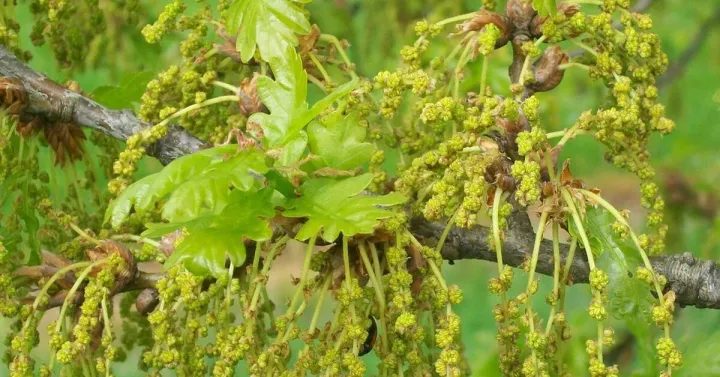
Description
Sowing dates
Sowing acorns of the English oak (Quercus robur) is typically done in the autumn, immediately after collection, to ensure the seeds undergo necessary stratification. If spring sowing is preferred, acorns must be stored in cool, moist conditions to prevent desiccation.
The seeds should be planted at a depth of 5 to 8 centimeters. Proper depth is critical to protect the acorn from rodent predation while allowing the radicle to penetrate the soil efficiently upon germination.
In forestry, acorns are often sown in clusters or rows. Cluster planting helps in selecting the most vigorous saplings while ensuring a higher survival rate in competitive forest environments.
The site preparation involves deep tillage to eliminate competing grasses and perennial weeds. English oak saplings are highly sensitive to competition in their early stages of development.
Effective management includes maintaining a clear area around the seedlings. In the first few years, mechanical or manual weed control is essential to ensure the oak receives enough light and soil nutrients.
Growing requirements
English oak is a member of the Fagaceae family and requires deep, fertile, and well-drained soils. Loamy soils with a balanced mineral composition provide the best foundation for its robust growth.
The tree is intolerant of waterlogged soil conditions. Excessive moisture leads to root rot, which is one of the primary reasons for failure in plantation establishment on low-lying sites.
Quercus robur prefers a temperate climate with reliable rainfall. While mature trees are highly frost-tolerant, young buds and shoots can be susceptible to late spring frosts that damage the apical meristem.
It is a light-demanding species, especially as it matures. While it can survive partial shade as a seedling, it requires open canopy conditions to achieve its full potential and structural development.
Mycorrhizal association is vital for the health of an oak. These beneficial fungi expand the root system's ability to absorb water and phosphorus, significantly boosting the tree's vitality in varying soil types.
Yield
The main commercial value of English oak is its high-quality timber. It is prized for its durability, hardness, and attractive grain, making it a premium material for high-end furniture and construction.
The rotation cycle for oak timber is long, often ranging from 80 to 120 years. Sustainable forest management ensures continuous yield through selective harvesting and replanting strategies.
Acorn production is cyclical and varies by stand age and climate. Generally, oaks begin to bear significant crops after 40–50 years, providing a crucial food source for forest wildlife and biodiversity.
Bark can be harvested for its tannin content, which has historical and niche modern uses in the leather industry. This practice requires careful management to avoid causing irreversible damage to the tree's cambium.
Beyond timber, English oak stands provide significant ecosystem services, including carbon sequestration and habitat creation, which are essential for long-term ecological and environmental health.
Main diseases and pests
Major pests of English oak include the oak leaf roller moth and various longhorn beetles. Defoliation by insects can significantly weaken trees, making them susceptible to secondary pathogenic attacks.
Diseases such as powdery mildew frequently affect young nurseries, causing leaf deformation and reduced photosynthesis. Root rot fungi, such as Armillaria, can also pose a serious threat to plantation health.
Deer and other wild ungulates are significant pests that cause physical damage by browsing young shoots and stripping bark, which can lead to stunted growth or tree mortality.
- Powdery mildew
- Oak leaf roller moth
- Armillaria root rot
- Bronze birch borer
- Bark necrosis
Management strategies include maintaining diverse tree age classes, conducting sanitary thinnings to remove infected wood, and using protective fencing to prevent herbivore damage in younger stands.