
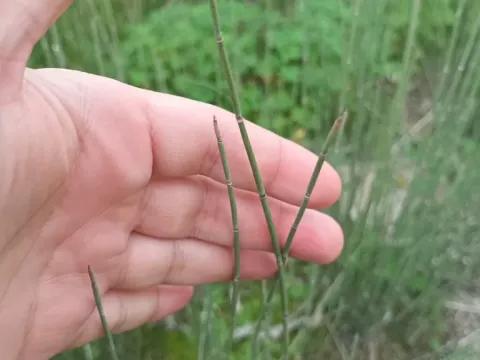
Ephedra podostylax
Ephedra podostylax
Ephedra podostylax is a perennial shrub typically propagated via seeds in commercial nursery settings. Sowing in the autumn is recommended to allow for natural stratification of seeds within the soil during the winter period.
What the section contains
Ephedra podostylax
If spring sowing is planned, seeds must undergo cold stratification at low temperatures for 30–60 days to break dormancy and ensure uniform germination across the field.
The seeds are small and should be sown at a shallow depth of 1–2 centimeters. Maintaining appropriate moisture levels during the germination phase is critical, as the seedlings are sensitive to surface soil desiccation.
Initial growth is notably slow, with the plant investing energy into establishing a deep taproot system. Farmers should ensure the area is free from competitive weeds during the first two years of the plant's life cycle.
Row spacing of 60–70 centimeters is recommended for large-scale plantations to facilitate mechanical cultivation and ensure adequate airflow, which prevents the development of moisture-related diseases.
Belonging to the Ephedraceae family, this species is a classic xerophyte adapted to harsh environmental conditions. It thrives in well-drained rocky, sandy, or gravelly soils with low nutrient content.
The plant demonstrates exceptional drought tolerance and thrives in arid conditions. Conversely, waterlogged or heavy clay soils are detrimental to the plant, often leading to root decay and significant stand loss.
Full solar exposure is essential for this species. Plantations should be situated on open terrain; insufficient sunlight results in weak growth and a substantial decrease in the concentration of active alkaloids.
Ephedra podostylax is adaptable to various soil pH levels, ideally within the 7.0–8.5 range. It generally performs well in alkaline substrates and does not require extensive fertilization to survive, though nutrient availability can influence total biomass production.
The plant is highly winter-hardy, capable of surviving severe frost in its natural high-altitude or arid habitats. This natural resilience minimizes the need for cold-protection measures during the dormant season.
Plantation yields depend heavily on the maturity of the shrubs. Commercial harvesting of the aerial parts (green shoots) usually commences from the third year onwards once the plant has established sufficient biomass.
Average yields range from 0.5 to 1.2 metric tons of dry material per hectare, depending on plant density, site soil quality, and the specific moisture conditions of the growing season.
The main objective is to harvest the stems, which contain medically significant alkaloids like ephedrine. The highest concentrations of these secondary metabolites typically occur during periods of peak vegetative growth in mid-to-late summer.
Plantations are characterized by their longevity and can remain productive for 10–15 years. Consistent vegetative regrowth following partial harvesting allows for reliable annual yields without the need for frequent replanting.
Balanced mineral fertilization, specifically the application of potassium and phosphorus, can enhance plant vigor, increase resistance to environmental stress, and potentially improve the overall secondary metabolite content.
Ephedra podostylax possesses a high level of natural defense due to its secondary metabolites, making it relatively resistant to most generalist herbivorous pests found in traditional agricultural crops.
Fungal diseases, such as fusarium wilt, remain the primary threat, especially when stagnant water or high soil moisture levels create favorable conditions for pathogens. Improving drainage is the most effective preventative measure.
Soil-borne insects, such as wireworms or beetle larvae, may occasionally damage the root systems of young plants during the initial stages of establishment, necessitating pre-plant field monitoring.
Sucking insects, including aphids or mites, may occur in localized outbreaks during exceptionally hot and dry seasons. Monitoring is advised, with the application of appropriate biological controls only if economic thresholds are exceeded.
Maintaining proper hygiene within the field, such as the removal of necrotic material and avoiding overcrowding, serves as the best strategy for maintaining a disease-free plantation without chemical reliance.
Harvesting should be conducted during dry weather to ensure quality and prevent molding. The optimal period for gathering the green stems is during the late summer to early autumn, before dormancy starts.
When cutting the shoots, farmers must leave at least 5–10 centimeters of stem above the crown. This practice ensures the health of the root system and promotes rapid regeneration for the following year.
Post-harvest processing involves rapid drying in shaded, well-ventilated conditions or controlled-temperature drying units. Temperatures must not exceed 50 degrees Celsius to avoid degrading the heat-sensitive alkaloids.
Once dried, the raw material should be stored in cool, dark, and dry locations using breathable packaging to maintain its chemical integrity and prevent the absorption of ambient moisture.
Properly dried material can maintain its pharmacologically active properties for several years, provided it is kept away from direct sunlight, extreme humidity, and potential pest contamination.