
Green ephedra
Ephedra viridis
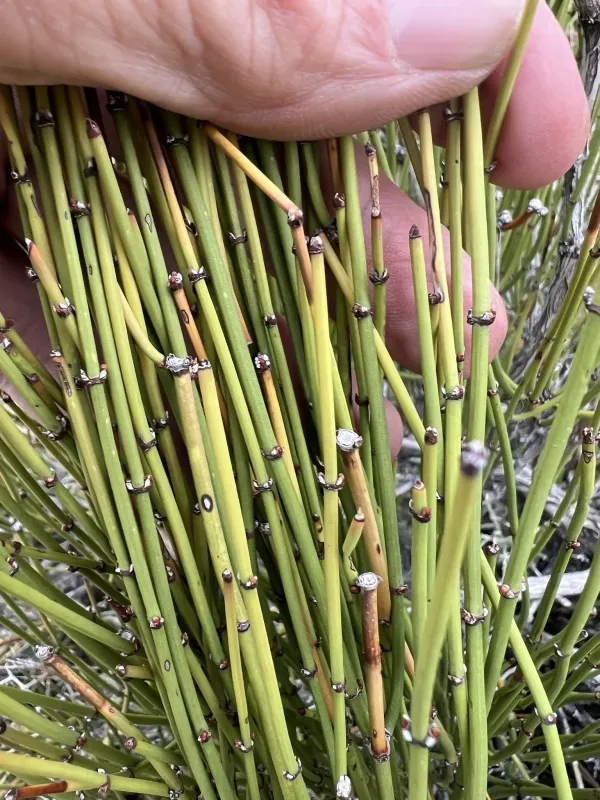
Description
Sowing dates
Sowing of Ephedra viridis seeds is preferably conducted in the spring, once soil temperatures reach 15–18 degrees Celsius. To achieve high germination rates, it is recommended to use freshly harvested seeds, as their viability decreases significantly after the first few months of storage.
Seeds should be sown in a well-prepared substrate at a depth of 1–2 centimeters, ensuring moderate moisture levels until germination occurs. Sowing can be performed either directly in open fields or in containers for transplanting once the seedlings develop two to three true stems.
A crucial requirement is ensuring excellent soil aeration and protecting the seedlings from water stagnation, which is detrimental to the developing root system. When using containerized methods, transplanting must be done with extreme care to avoid damaging the taproot.
The optimal planting density for established plantations is 50x50 centimeters or 60x40 centimeters, which provides sufficient space for individual plant development and facilitates easier mechanized maintenance and harvesting processes.
Green ephedra is characterized by slow growth during the first year of life; therefore, early-stage plantation management requires diligent weed control to ensure that emerging shoots are not suppressed by aggressive vegetation.
Growing requirements
Green ephedra belongs to the Ephedraceae family and is a perennial subshrub native to the arid regions of North America, particularly mountainous areas and rocky foothills where it thrives in harsh environments.
The plant exhibits exceptional drought tolerance and the ability to grow in nutrient-poor, rocky, or sandy soils with an alkaline pH. Efficient drainage is the most critical factor for successful cultivation, as the species is highly intolerant of waterlogged conditions.
This crop prefers open, sun-drenched locations, as excessive shade causes the stems to elongate and significantly reduces the concentration of biological active compounds within the green biomass.
Climatic requirements include a cycle of moderately warm growing seasons followed by a pronounced period of dormancy, which allows the plant to accumulate necessary metabolites for successful winter survival.
In commercial production, it is advised to avoid excessive nitrogen fertilization, which stimulates rapid growth at the expense of alkaloid accumulation, an aspect that is vital for the plant's intended pharmacological applications.
Yield
The yield of Ephedra viridis depends largely on the age of the plantation and the specific growing conditions provided. Commercial harvesting of the aerial parts, or the green stems, usually commences in the third or fourth year when the biomass reaches sufficient volume.
Under optimal agricultural management, one hectare of plantation can yield between 1 and 2 tons of dry raw material. Harvesting intensity must remain moderate to avoid exhausting the shrubs and causing premature mortality.
It is important to note that annual intensive pruning significantly reduces the productive longevity of the bushes. Selective harvesting that leaves a sufficient number of stems is recommended to allow for ongoing photosynthesis and plant recovery.
The quality of the crop is evaluated based on the percentage of ephedrine and pseudoephedrine content in the dried material, which is influenced by both the genetic traits of the specific ecotype and the level of solar radiation during the growth period.
To maintain consistent yields, plantations should periodically undergo rejuvenation pruning, which encourages the development of new, highly productive side branches and helps maintain the overall health of the crop.
Main diseases and pests
Green ephedra possesses high natural resistance to most typical agricultural pests and pathogens due to the presence of alkaloids and tannins in its tissues, which act as a natural defense mechanism.
The primary threat to seedlings and young plants is root rot, usually caused by improper irrigation regimes and water stagnation in the root zone, which facilitates the proliferation of pathogenic fungi.
In high-density planting conditions, there is a risk of powdery mildew outbreaks, particularly during periods of high humidity, necessitating the use of preventative fungicide applications during early growth stages.
Occasional infestations of spider mites may occur during prolonged droughts; these pests feed on the sap of young green stems, leading to partial discoloration and premature wilting if left untreated.
Regular phytosanitary monitoring is recommended for plantation maintenance. Any infected plants should be promptly removed and disposed of to prevent the spread of diseases throughout the entire field.
Harvesting
Harvesting of the ephedra raw material should be conducted during the phase of peak active substance accumulation, typically during or immediately following the flowering period to ensure high pharmacological quality.
Harvesting is performed either mechanically or manually by cutting young, intensely colored green stems. It is essential to prevent woody parts of the shrub from entering the product supply, as these parts contain low concentrations of desired alkaloids.
Immediately after harvesting, the material must be dried in well-ventilated areas shielded from direct sunlight or in specialized drying units at temperatures not exceeding 45–50 degrees Celsius to prevent the degradation of active compounds.
Properly dried material should maintain its natural green color and specific aroma; the absence of these characteristics or the presence of dark spots indicates poor processing technology and compromised product quality.
The final dried product should be stored in sealed paper or textile bags within dry warehouse facilities to provide protection against moisture and pests during storage, transport, and final distribution phases.