
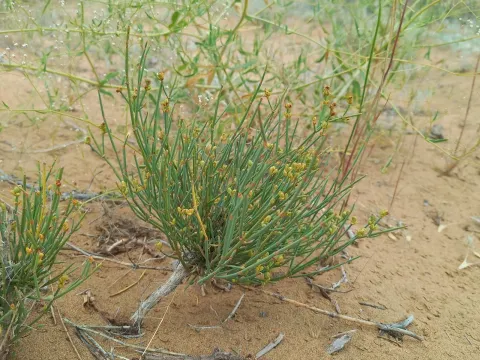
Ephedra lomatolepis
Ephedra lomatolepis
Ephedra lomatolepis is a perennial shrub species belonging to the Ephedraceae family. This plant is well-adapted to extreme environmental conditions, particularly in arid and semi-arid regions of Central Asia.
What the section contains
Ephedra lomatolepis
The species exhibits a distinct morphology, characterized by reduced scale-like leaves and green photosynthetic stems that facilitate carbon fixation even under intense solar radiation and high temperatures.
Optimal growth conditions require sandy, rocky, or gravelly soils with excellent drainage. The species is highly sensitive to waterlogging, which can lead to rapid physiological decline and root system failure.
The plant thrives in regions with high light intensity and low annual precipitation. It demonstrates significant resilience to extreme seasonal temperature variations, characteristic of its native habitat.
Cultivation strategies for this species primarily focus on its medicinal value, specifically the concentration of active alkaloids within the green stems, which are extracted for pharmaceutical use.
The primary threats to Ephedra lomatolepis cultivation include fungal infections, particularly root rot, which are triggered by soil moisture retention and poor aeration in the growing substrate.
Insect pests, such as aphids and certain types of mites, can infest young shoots during periods of active growth, leading to reduced yield and poor overall plant health.
Pathogenic fungi can rapidly colonize plants under conditions of high humidity, especially if the planting density is too high to allow for adequate air circulation between individual specimens.
Incorrect fertilization practices, specifically the excessive application of nitrogen, may disrupt the plant's natural metabolic balance, making it more susceptible to environmental stress and opportunistic pathogens.
Effective management requires regular scouting for pest outbreaks and ensuring that the irrigation system is designed to provide minimal moisture only during the critical stages of early establishment.