
Ephedra minima
Ephedra minima
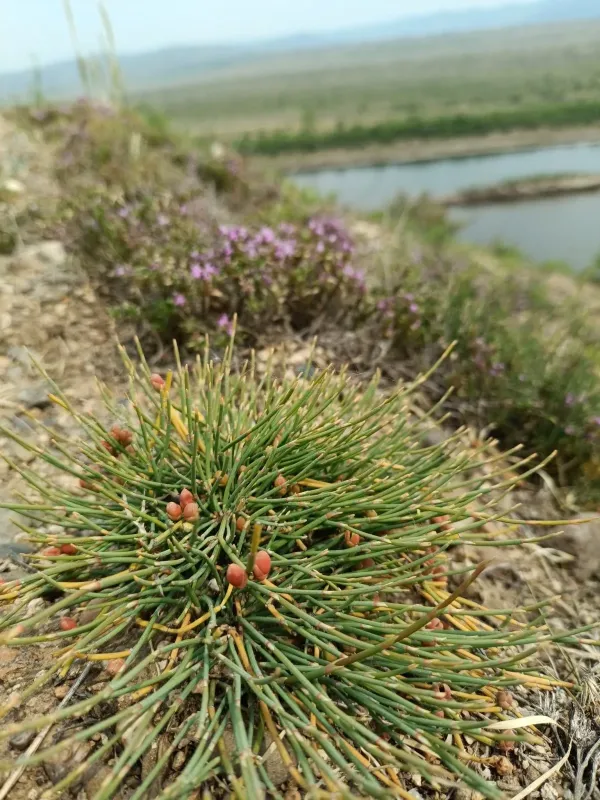
Description
Sowing dates
Ephedra minima is a distinct species belonging to the family Ephedraceae, known for its extremely reduced growth habit.
This species is native to the high-altitude stony slopes and desert-steppe regions, showing remarkable adaptation to harsh climates.
Propagation requires fresh seeds that have undergone stratification to break physiological dormancy effectively.
Sowing should be performed in a sandy, gritty mineral substrate that ensures rapid drainage to mimic the natural alpine conditions.
Seed germination is generally slow and requires consistent cool temperatures during the initial development phase.
Growing requirements
The plant thrives in extreme conditions, specifically requiring high solar radiation and low environmental humidity levels.
Soil composition must be highly porous; organic-rich soils should be avoided to prevent fungal infections and root rot.
A neutral to slightly alkaline pH is ideal, as this reflects the limestone-heavy environment of its natural habitat.
The species demonstrates high tolerance to thermal fluctuations and extreme wind speeds typical of high-mountain ranges.
In terms of agricultural management, minimal water intervention is necessary once the root system is established.
Main diseases and pests
Excessive soil moisture is the primary threat to the health of Ephedra minima, leading to rapid degradation of root tissues.
Root-rot fungi such as Pythium and Rhizoctonia are frequent pathogens in poorly drained cultivation setups.
Inadequate air circulation may encourage the development of mold and mildews on the delicate branches of the plant.
Pests like spider mites can occasionally affect the plants in greenhouse environments where the air is stagnant.
- Damping-off of seedlings due to moisture stress.
- Fungal pathogens attacking the xylem and phloem tissues.