
Euphorbia restricta
Euphorbia restricta
Description
Sowing dates
Euphorbia restricta is a perennial herbaceous plant belonging to the diverse Euphorbiaceae family. In agricultural science, this species is noted for its specialized biomass, which contains specific chemical compounds relevant for industrial extraction.
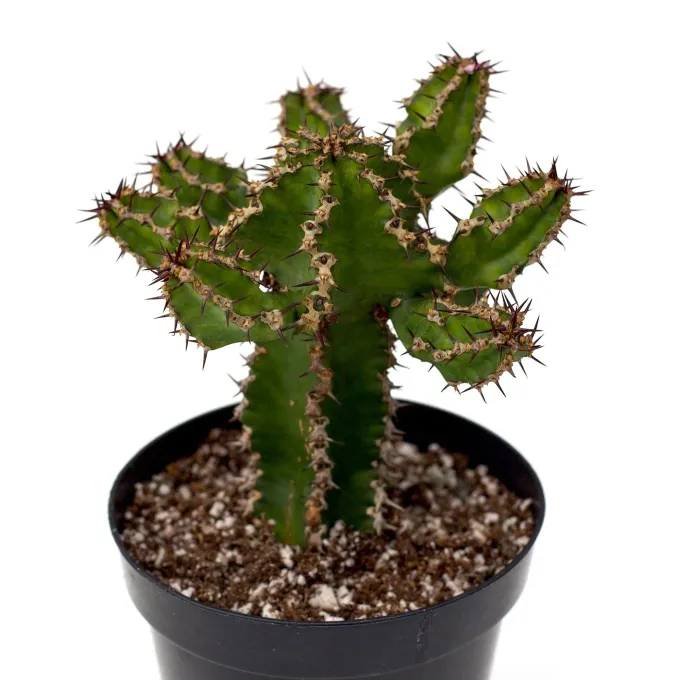
The plant exhibits a characteristic morphology with upright stems that feature distinct node constrictions. Its root system is deeply anchored, allowing the crop to survive and thrive in environments where water resources are restricted or seasonal.
Originating from arid regions, Euphorbia restricta is naturally adapted to high solar radiation and temperature fluctuations. In a farming context, it requires well-lit, open fields to maintain its physiological health and productivity.
The primary agricultural use of this plant is the production of latex-rich biomass. As the demand for sustainable plant-based resources increases, this species is gaining attention for its potential in secondary chemical synthesis.
Sowing should be performed in spring once the soil temperature is consistently above 15 degrees Celsius. Precise depth control during seeding ensures optimal germination and strong seedling establishment in the field.
Growing requirements
The crop thrives in well-drained, sandy or light loamy soils. Soil aeration is critical for the healthy development of the root system, as compaction or waterlogging can lead to rapid decay of the taproot.
Sunlight is the most significant environmental requirement. Euphorbia restricta needs at least six to eight hours of direct sunlight per day to optimize its metabolic functions and promote the development of its active biological compounds.
While the species is drought-tolerant, supplemental irrigation during the peak growth phase can significantly increase biomass yield. Water application must be calculated to prevent surface moisture buildup around the stem base.
Agrotechnical management requires consistent weed control throughout the early vegetative stages. Mechanical cultivation between rows helps preserve soil moisture while minimizing competition from invasive weeds.
Balanced fertilization programs focusing on potassium and micronutrients are recommended. Excessive nitrogen supply should be avoided as it stimulates disproportionate foliage growth at the expense of root resilience.
Main diseases and pests
Root rot, primarily caused by fungal pathogens such as Pythium or Phytophthora species, is the most common threat in improperly drained plots. Improving soil structure and managing water application rates are the primary defense strategies.
Insects like aphids and spider mites can attack the plant during hot, dry periods. Integrated Pest Management (IPM) practices, including the use of neem-based oils or other organic insecticidal soaps, are effective in controlling populations.
Root-knot nematodes are significant pests that interfere with nutrient absorption. Crop rotation with non-host families is essential to disrupt the lifecycle of these organisms within the soil profile.
Viral infections can cause chlorosis and stunted growth, often introduced by sap-sucking insects. Prevention relies on controlling insect vector populations and ensuring that only certified healthy material is used for cultivation.
The toxic nature of the milky sap provides a natural deterrent against many herbivores; however, constant monitoring is necessary to identify early signs of abiotic stress, which makes the plant more susceptible to opportunistic pathogens.