
Ephedra fedtschenkoi
Ephedra fedtschenkoi
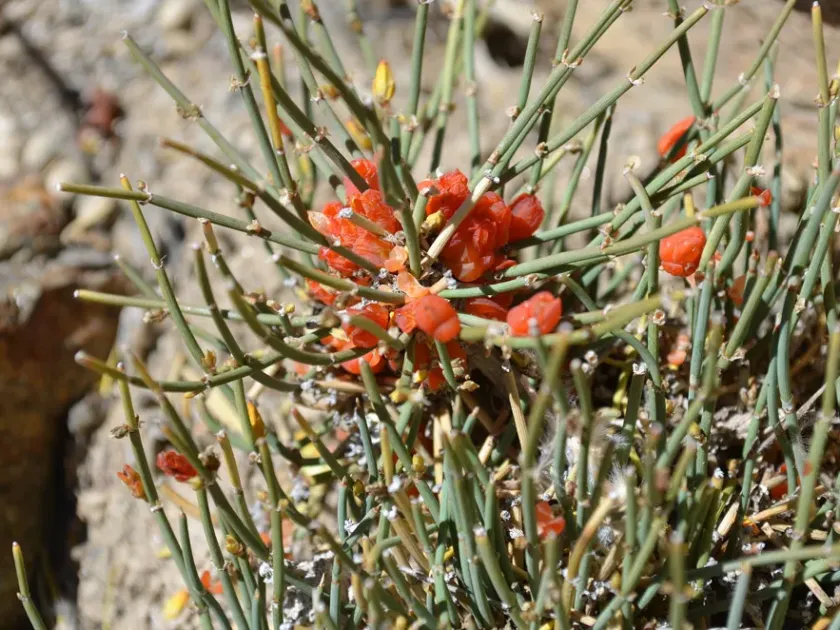
Description
Sowing dates
Ephedra fedtschenkoi can be propagated both by seeds and vegetatively through division or cuttings. Sowing seeds outdoors is recommended in late autumn, which allows for natural stratification, essential for ensuring uniform germination in the following spring.
For spring sowing, seeds require prior cold stratification for 30–45 days. They should be sown at a depth of 1–2 cm with row spacing of 40–50 cm, providing enough space for the slow-growing seedlings to develop their initial root structure.
The seedlings develop quite slowly during their first year of life. Maintaining the rows free from weeds is crucial, as the young Ephedra plants are highly sensitive to competition for nutrients and sunlight in their early stages.
Vegetative propagation using cuttings is best performed in late spring or early summer. Selecting young, semi-hardened shoots and using rooting hormones significantly increases the success rate of propagation in nursery conditions.
Optimal stand density depends on the production goal. In industrial plantations, initial high-density planting followed by systematic thinning in the second year is a common practice to ensure long-term productivity and uniform plant growth.
Growing requirements
Ephedra fedtschenkoi is a classic xerophytic species adapted to arid and high-altitude environments. It thrives in well-drained, stony, or sandy soils that possess low water retention capacity and excellent aeration.
The plant is highly demanding regarding light exposure. It requires full, intense sunlight; even partial shading results in leggy growth, reduced accumulation of secondary metabolites, and a weakened overall constitution of the plant.
Originating from mountainous regions, the plant shows exceptional frost resistance and resilience to extreme temperature fluctuations. However, in cultivation, it is vital to protect the roots from waterlogging, especially during the dormant winter period.
The ideal soil pH for this species is neutral to slightly alkaline. Excessive humus content or application of fresh manure is detrimental, as it promotes lush vegetative growth at the expense of the specific chemical profile required for medicinal use.
The species develops a deep taproot that allows it to access groundwater, making it highly drought-tolerant once established. Nonetheless, regular monitoring and occasional watering are required for young plants during their first growing season.
Yield
The economic value of Ephedra fedtschenkoi is based on the harvested mass of dried green stems, which contain essential medicinal alkaloids. Yield monitoring typically begins from the third or fourth year of plantation age.
With correct agricultural management, plantations remain productive for 10–15 years. Regular pruning stimulates lateral branching, which directly enhances the biomass production of the green stems required for harvest.
The quality of the yield is determined by the concentration of ephedrine and pseudoephedrine. These substances accumulate to their peak during the active vegetative growth phase, before the stems become fully lignified and woody.
Balanced fertilization, using minimal amounts of mineral nutrients, helps maintain plant vigor without compromising the phytochemical quality of the harvest. Nitrogen overload should be strictly avoided to ensure high therapeutic value.
Total annual yield can vary based on local weather conditions, but the species is considered a reliable performer in mountainous regions due to its inherent adaptation to harsh climatic conditions and limited resource environments.
Main diseases and pests
Ephedra fedtschenkoi is generally resistant to most pests and diseases. The primary threat to the crop is the development of fungal rot in the root system, caused by poor drainage and excessive soil moisture during the growing season.
Pests such as mites and various sucking insects may occasionally affect young shoots during periods of extreme heat and drought. Implementing integrated pest management is recommended to keep these populations under control without chemical misuse.
Poor field management, specifically regarding site drainage, represents the highest risk factor. In heavy soil conditions, creating raised beds or drainage channels is essential to prevent plant losses due to waterlogged conditions.
Weeds represent a significant threat to the survival of the plantation during the first two years of development. Effective weed control is necessary to prevent competition for limited resources and to ensure the plant becomes well-established.
- Root rot (if soil is waterlogged);
- Powdery mildew (rarely, in humid conditions);
- Spider mites (in dry and hot conditions);
- Aphids (on young, tender growth);
- Weeds (direct competition for sunlight).
Harvesting
Harvesting is performed in mid-summer or early autumn, ensuring that the stems are gathered before the first hard frosts. This timing is critical to capture the peak physiological concentration of active medicinal compounds.
Shoots are gathered by selective cutting, leaving a portion of the plant mass to ensure the specimen can regenerate and continue its life cycle. Sustainable harvesting practices are essential for the longevity of the plantation.
Post-harvest, the stems must be dried immediately in a shaded, well-ventilated area or in mechanical dryers at temperatures not exceeding 45°C. Excessive heat can degrade the alkaloids and significantly lower the quality of the raw material.
Proper storage involves using paper bags or containers that allow for air circulation while protecting the dried material from sunlight and moisture, which are the primary drivers of degradation in stored herbal products.
Following strict harvest protocols ensures that the final product meets the pharmaceutical quality standards required by industry buyers, specifically regarding the concentration of ephedrine and overall purity of the raw material.