
Ephedra foliata
Ephedra foliata
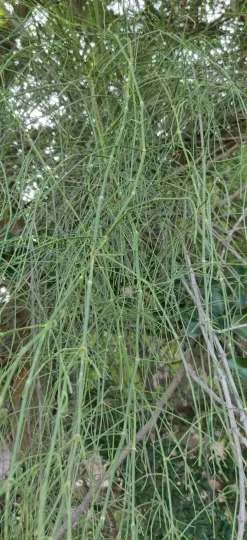
Description
Sowing dates
Propagation of Ephedra foliata is primarily achieved through seeds or vegetative cuttings. Seeds should be sown in a well-drained substrate, ensuring they are covered with a thin layer of soil to protect them from direct dehydration while allowing adequate light penetration for germination.
In nursery settings, sowing is best performed in the spring when temperatures consistently range between 15 and 18 degrees Celsius. Proper moisture management during the initial growth phase is critical, as seedlings are sensitive to fungal infections caused by excess water.
Vegetative propagation via cuttings involves selecting healthy, semi-hardwood stems. These are placed in a sandy rooting medium to ensure sufficient aeration, which is essential for successful root development in this xerophytic species.
The field layout should prioritize row spacing that allows for mechanical maintenance and adequate airflow. Consistent monitoring of soil temperature and moisture levels post-sowing significantly improves the success rate of establishing the crop.
Young plants require consistent weeding throughout the first growing season to prevent competition for nutrients and water, which is particularly vital given the plant's relatively slow initial development speed.
Growing requirements
Ephedra foliata, belonging to the Ephedraceae family, is a shrubby plant native to the arid environments of the Middle East and Central Asia. It has evolved to thrive in sandy and stony soils where most agricultural crops would fail.
The plant has a high requirement for solar radiation and performs best in open fields with full sun exposure. Shaded conditions lead to stunted growth and, more importantly, a decrease in the synthesis of alkaloids, which are the main commercial interest.
Soil requirements focus on excellent drainage and a neutral to slightly alkaline pH. Ephedra foliata is highly adapted to low-nutrient soils and does not require heavy fertilization, as excessive nutrient levels can disrupt its natural physiological balance.
Drought tolerance is a hallmark of this species, allowing it to survive in regions with minimal rainfall. Agronomic practices should focus on avoiding any irrigation regime that keeps the soil consistently wet, as this promotes root rot.
Temperature management is important for cultivation in non-native climates. While it is hardy, extreme frost can damage the photosynthetic branches, necessitating protective measures or the selection of protected cultivation sites in colder regions.
Yield
The economic value of Ephedra foliata lies in the extraction of alkaloids, primarily ephedrine and pseudoephedrine, from its green branches. Harvesting is typically conducted once the plants have reached a mature stage, usually after several years of growth.
Efficient yield management involves a planned harvesting cycle, typically every two years, to allow the plant sufficient recovery time. Harvesting too frequently or too intensely can exhaust the shrub's reserves and decrease future biomass production.
Post-harvest processing is critical to maintaining the quality of the raw material. The branches must be dried quickly in a controlled environment to prevent enzymatic degradation of the active components, ensuring the final product meets industrial standards.
Yields can vary significantly based on plant density, soil health, and climatic consistency. Intensive farming operations aim for balanced growth, using minimal interventions to maximize the concentration of alkaloids per kilogram of dry weight.
Quality control through regular laboratory analysis of harvested samples ensures that the produce remains viable for pharmaceutical applications. Proper documentation of the growth environment is essential for traceability in the supply chain.
Main diseases and pests
Fungal pathogens represent the most significant threat to Ephedra foliata crops, particularly in environments with poor air circulation or over-irrigation. Root and crown rot are common consequences of these pathogenic attacks.
Various pests, including mites and scale insects, can infest the branches, especially during hot, dry spells. These pests weaken the plant by feeding on its sap, which reduces the overall photosynthetic capacity and yield of the shrub.
Integrated Pest Management (IPM) strategies are recommended to mitigate these threats. This includes maintaining optimal distance between plants, ensuring a clean field free of weeds, and using biological control agents whenever possible.
Sanitation practices are essential for preventing the spread of diseases. This includes the immediate removal and destruction of any plant material showing signs of rot or heavy infestation to protect the remaining healthy population.
Environmental stress management is also a form of protection. Ensuring the plants are not subjected to unnecessary stress through improper pruning or sudden drastic changes in irrigation can help them maintain their natural resistance to common threats.