
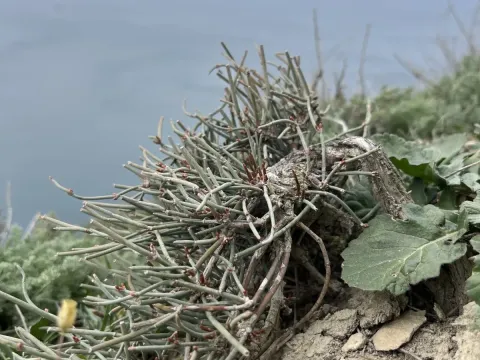
Ephedra distachya
Ephedra distachya
Ephedra distachya is a shrub belonging to the Ephedraceae family. The plant can be propagated through seeds or vegetative methods, such as dividing established root systems, which is more reliable in commercial settings.
What the section contains
Ephedra distachya
Sowing should be performed in autumn to allow for natural stratification of seeds, which significantly increases germination rates. If planting in the spring, seeds must be kept in cold, moist storage for several weeks.
Seeds are sown shallowly, about 1–2 cm deep, in well-drained, porous soil. Early stages of growth are critical, and the seedlings require careful monitoring to ensure they are not crowded by competing weeds.
The standard row spacing for plantations is approximately 60–80 cm. This spacing allows sufficient airflow around the bushes, which is crucial for preventing fungal diseases in the humid spring months.
Once established, the plants are remarkably hardy and drought-resistant. During the first two years, the focus is on root development, so minimal intervention is required once the seedlings have reached a certain size.
The plant thrives in open, sunny locations. Full exposure to sunlight is essential for the healthy development of green stems and the high concentration of secondary metabolites, specifically alkaloids.
Soil requirements are relatively modest, as the plant naturally originates from rocky and sandy steppe regions. Sandy, well-draining soil with a neutral to slightly alkaline pH is ideal for optimal productivity.
Ephedra is highly resistant to temperature fluctuations, surviving both freezing winters and scorching summers. However, it cannot tolerate waterlogged soils, which lead to root decay and overall plant failure.
Fertilization should be handled with caution. Excessive nitrogen application encourages lush green growth but reduces the therapeutic potential of the harvested material, as it shifts the plant's resources away from chemical synthesis.
Maintenance involves routine weeding and soil aeration between rows. As a hardy plant, once it matures, it requires very little irrigation, making it suitable for regions with limited rainfall.
The harvest consists of the green, non-woody shoots, which are collected starting from the third or fourth year of cultivation. The yield per hectare is stable provided the plants are not over-harvested.
Timing of the harvest is crucial. The alkaloid concentration is highest during the flowering and early budding stages. Harvesting during these specific physiological windows maximizes the quality of the crop.
Effective management allows a single plantation to remain productive for over a decade. By rotating harvesting sections, farmers can ensure a consistent annual supply of raw material for pharmaceutical processing.
Processing starts immediately after cutting. Because the green stems contain high water content, they must be moved to the drying facility quickly to prevent fermentation and loss of active compounds.
Sustainability is key to high yields. Leaving a healthy portion of the shrub intact after each harvest ensures the plant has enough energy to regenerate its photosynthetic biomass for the next season.
While Ephedra distachya is generally resistant to pests, it can be susceptible to soil-borne fungi if the drainage is inadequate. Root rot is the most common condition affecting plantations in heavy soils.
Insect pests typically cause minor damage, focusing on new shoots or buds. However, integrated pest management practices are usually sufficient to maintain healthy crop levels without heavy chemical reliance.
Weeds are the primary threat during the initial establishment phase. If left uncontrolled, weeds can easily outcompete the young, slow-growing Ephedra plants, leading to poor establishment and long-term yield reduction.
Preventative measures include choosing sites with excellent natural drainage and practicing regular, light cultivation around the root zone. Ensuring sufficient space between plants also mitigates the risk of moisture-related diseases.
For large-scale operations, monitoring for early signs of infection is vital. Maintaining a balanced plant density prevents microclimates that encourage fungal growth, keeping the plantation healthy and productive.
Harvesting is performed by cutting the green stems 5–10 cm above the ground. It is essential to use clean, sharp tools to make smooth cuts that heal quickly and do not expose the plant to pathogens.
The harvested material must be spread thinly in a cool, ventilated area or a dedicated dryer. Temperature control is paramount; exceeding 50°C during drying will degrade the essential pharmacological components.
Quality control during drying involves checking for uniformity in color and moisture content. Proper drying prevents mold growth and ensures the longevity of the plant's medicinal properties for storage.
After drying, the product is packaged in dry, airtight, or moisture-wicking containers to protect it from humidity. Storage facilities must be dark to prevent light-induced oxidation of the alkaloids.
Proper inventory management and periodic checks on stored material ensure that the quality remains compliant with pharmaceutical standards until the product is sold or processed.