
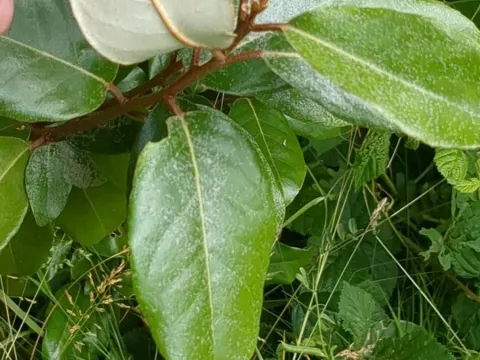
Elaeagnus submacrophylla
Elaeagnus submacrophylla
Elaeagnus submacrophylla, a member of the Elaeagnaceae family, is a versatile evergreen or semi-evergreen shrub known for its remarkable resilience and aesthetic appeal, characterized by its silver-tinged foliage.
What the section contains
Elaeagnus submacrophylla
This species thrives in full sun but maintains good growth in partial shade. Its ability to withstand harsh conditions makes it an excellent candidate for stabilizing eroding slopes and enhancing poor, sandy, or rocky soils.
The plant has low soil fertility requirements due to its symbiotic relationship with nitrogen-fixing actinobacteria, which help enrich the growing medium over time.
Effective drainage is crucial for the health of Elaeagnus submacrophylla. It does not tolerate waterlogged conditions, which can lead to rapid root decay and decline of the entire shrub.
While the plant is quite hardy, young specimens benefit from being placed in spots protected from harsh, desiccating winds, which can damage leaves during the colder months of the year.
The primary utility of Elaeagnus submacrophylla lies in its role as a landscape element. It is highly valued for creating privacy hedges and windbreaks that require minimal pruning and maintenance.
The fruits of the plant are edible and have a unique, slightly tart flavor. They serve as a valuable food source for local bird populations during late autumn and early winter.
In agricultural settings, it acts as a beneficial plant that supports local biodiversity by attracting pollinators, thereby enhancing the overall ecological balance of the garden or orchard.
The plant's wood is durable and the shrub itself is frequently used in conservation efforts to prevent soil erosion in areas prone to runoff, such as hillsides and riverbanks.
Optimal growth is achieved without excessive fertilization. In fact, providing too much nitrogen can lead to excessive foliage growth at the expense of fruit production and winter hardiness.
The most significant threats to Elaeagnus submacrophylla are fungal diseases, which are almost exclusively triggered by high humidity levels and poor airflow within the foliage canopy.
Aphids are the most common pests encountered during the spring growing season. They tend to cluster on soft, new shoots, but they rarely cause long-term damage if identified early.
In dense plantings, powdery mildew can occur during periods of erratic temperature shifts and high moisture. Ensuring proper spacing between plants helps to mitigate this risk significantly.
Winter damage from rodents gnawing on the bark of young stems can be a concern in certain regions, necessitating the use of physical barriers or guards during the first two years of establishment.
By focusing on proper site selection and maintaining adequate plant spacing, the risk of disease and pest infestation remains low, requiring little to no chemical intervention.