
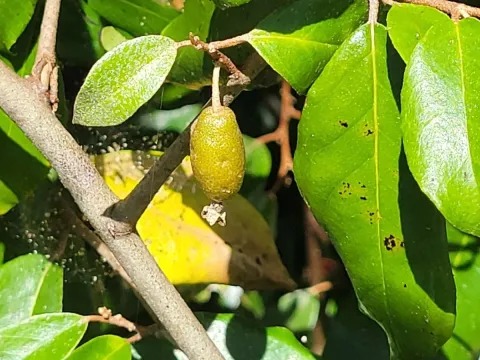
Lingaro
Elaeagnus philippinensis
Lingaro (Elaeagnus philippinensis) is a perennial evergreen shrub or small tree belonging to the Elaeagnaceae family. Native to the Philippines, this plant is well-adapted to humid tropical environments and typically grows in forested areas.
What the section contains
Lingaro
The plant thrives in warm, stable climates where temperatures consistently remain above the frost threshold. It requires high relative humidity to maintain healthy foliage and optimal metabolic processes throughout the growing season.
When cultivated, Lingaro prefers locations with abundant sunlight; however, it can tolerate partial shade, especially during the early stages of development. Consistent light exposure is essential for maintaining plant vigor and promoting fruit production.
The ideal soil for this crop should be fertile, well-draining, and slightly acidic. It is sensitive to waterlogged conditions, which can lead to root rot; therefore, providing an effective drainage system is a primary concern for any producer.
Regarding moisture management, a balanced irrigation program is necessary to ensure the plant remains hydrated without creating the overly damp environment that favors pathogenic fungal growth.
The yield of Lingaro is highly valued due to its edible, succulent, and slightly tart berries. These fruits are often processed into jams, jellies, and various traditional culinary delicacies in the Philippines.
Production levels are strongly correlated with the plant's access to light and balanced fertilization. Nutrient management programs should focus on providing essential micronutrients, particularly during the flowering and fruit-set stages.
Regular pruning is a critical component of the harvest management strategy. By removing old wood and shaping the canopy, growers can improve light penetration and airflow, which directly contributes to higher berry yields.
Harvesting is typically done by hand once the fruits attain their characteristic color and ripeness. The berries are somewhat delicate, requiring careful handling to prevent bruising during transit from the field to the consumer market.
The economic potential of Lingaro extends beyond the fruits, as the plant also possesses significant ornamental value. Its silver-toned foliage and fragrant flowers make it a desirable choice for mixed-use agricultural landscapes.
Fungal infections pose the most significant threat to Elaeagnus philippinensis, especially in areas with poor ventilation and high humidity levels, which encourage the development of leaf spots and stem rots.
Insect pests, including scale insects and mites, frequently target the sap of the plant. These pests can significantly reduce overall vigor and hinder the production capacity of the shrub if left uncontrolled.
Integrated pest management strategies should be employed to protect the crop. This involves regular monitoring of leaf undersides and the application of environmentally friendly biocontrol agents when necessary.
Cultural practices such as maintaining proper plant spacing and ensuring the prompt removal of decaying plant debris are essential for reducing the inoculum load of harmful pathogens.
Maintaining a healthy, stress-free plant through consistent watering and fertilization increases its natural resilience, making it significantly less susceptible to secondary infections and pest infestations.