
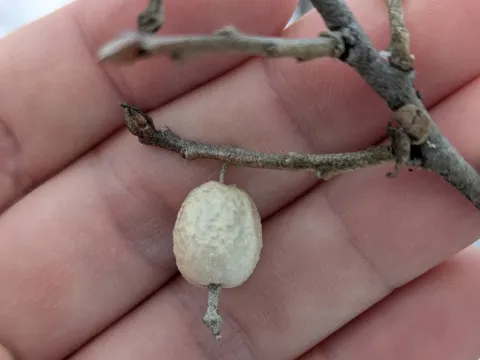
Silverberry
Elaeagnus commutata
Silverberry (Elaeagnus commutata) is a deciduous shrub belonging to the Elaeagnaceae family. Native to North America, it is widely recognized for its stunning silvery foliage and its ability to thrive in harsh environmental conditions where other plants struggle.
What the section contains
Silverberry
The plant is highly resilient and well-adapted to various soil types, including sandy and rocky soils. A distinctive biological feature is its ability to fix atmospheric nitrogen via a symbiotic relationship with bacteria in its root nodules, which naturally enhances soil fertility in the planting area.
In terms of climatic requirements, Silverberry is exceptionally hardy. It tolerates extreme cold and is suitable for regions with severe winters. It prefers full sun exposure to maintain its characteristic metallic leaf color and to promote vigorous growth during the vegetative season.
Cultivation practices primarily focus on managing its aggressive suckering habit. While this makes it an excellent choice for erosion control and bank stabilization, it requires careful site selection in formal gardens to prevent unwanted spreading of the root system.
The practical applications of this species are diverse, ranging from windbreaks and shelterbelts to ornamental landscaping. The flowers produce a sweet, intense fragrance in late spring and early summer, serving as an important source of nectar for local pollinators.
Silverberry is renowned for its excellent health profile and high resistance to most common diseases. It is rarely affected by major plant pathogens, making it an ideal candidate for low-maintenance and organic landscape projects that avoid chemical inputs.
Occasionally, minor leaf spot diseases may occur in poorly ventilated areas with excessive moisture levels. Ensuring adequate spacing between plants and performing regular pruning to open up the canopy are effective preventive measures against these mild fungal issues.
Insect pests typically pose a negligible threat to established bushes. The plant's tough foliage and natural chemical composition make it unappealing to many common herbivores and insects, negating the need for intensive pest control programs.
Routine care involves simple sanitation, such as removing dead or damaged wood in early spring. This promotes new growth and maintains the aesthetic appeal of the shrub, ensuring it remains vigorous throughout the year.
By providing adequate space and sufficient sunlight, growers can ensure the long-term success of Silverberry plantings. Its inherent robustness minimizes the need for intervention, allowing it to flourish with minimal ongoing maintenance.